
Garden News | April 2026
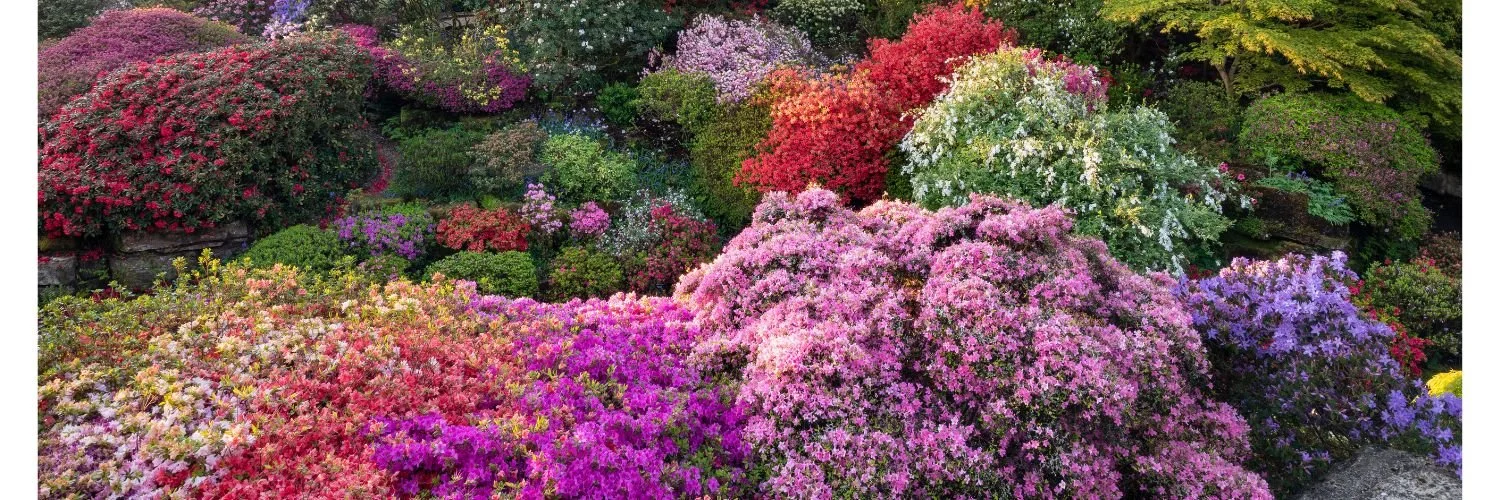
Welcoming April in the garden at Leonardslee is almost like the arrival of Christmas for my team and hopefully for our visitors too! To be fair to March there has been lots to get excited about over the last month, with early rhododendrons and camellias coming into bloom along with the explosion of early bulbs like Crocus and Snowdrops and also the arrival of the fantastic annual Magnolia display too. But it’s April when the horticultural highlights start to really show their stuff here. There’s obviously the general promise of regrowth and renewal that spring brings as everything emerges from their winter slumber, but if you’re a keen gardener or visitor of gardens, there is even more to get passionate about; whether it’s the wealth of new flowers coming into bloom or the interesting projects us gardeners can get stuck into, April certainly promises to be an exciting month!
As predominantly a ‘Woodland Garden’, spring is one of the most important seasons for us here at Leonardslee. But what actually is a ‘woodland garden’? Well, woodland gardens are a branch of garden design. They are usually vast in size and use a clever combination of informal, natural design but with exotic, unusual plants. Common features include grand views and vistas, large bodies of water and carpets of naturalised bulbs. Sound familiar? We certainly have all those things here at Leonardslee. The term ‘woodland garden’ became popular in the early 20th century but was a direct result of the English Landscape Movement before it that covered everything from Capability Brown to William Robinson and that in itself was a reaction against the preceding European formality including the like of French parterres and Italian topiary. So, what is there to see in our Woodland Garden this April…?
There are new, fascinating plants bursting into flower almost every day in the garden this month. The early Magnolia trees caught us out in March when they seemed to go from dormant to full bloom overnight and were suddenly ablaze with colour one morning! It was a great month for both Magnolia trees and daffodils in March and all being well, we should still have plenty of both in bloom during April too. For the daffodils, a particular highlight will be the bulbocodium and cyclamineus kinds which can be found in the Rock Garden for instance. Down in the valley by the lakes, where it has its own microclimate and is often a degree or two cooler, the drifts and displays should certainly prolong into this month. Other beautiful bulbs and spring understory for this month should include Chinodoxa (Squill), Pulmonaria (Lungwort) and long-flowering Primula (Primrose) for example. Another real highlight this month will be the re-emergence of our many fritillary bulbs across the formal areas. Around the mansion the likes of the fascinating purple Fritillaria persica and burnt orange shades of F. sewerzowii will be wowing our visitors while elsewhere Fritillaria imperialis and its orange cultivar ‘Aurora’ will also be amazing everyone with their statuesque appearance and unusual flowers. They often have a distinct foxy scent and if you bend down to view the flowers from below you’ll be able to see the glistening nectaries and understand why they are sometimes referred to as Angel’s Tears.
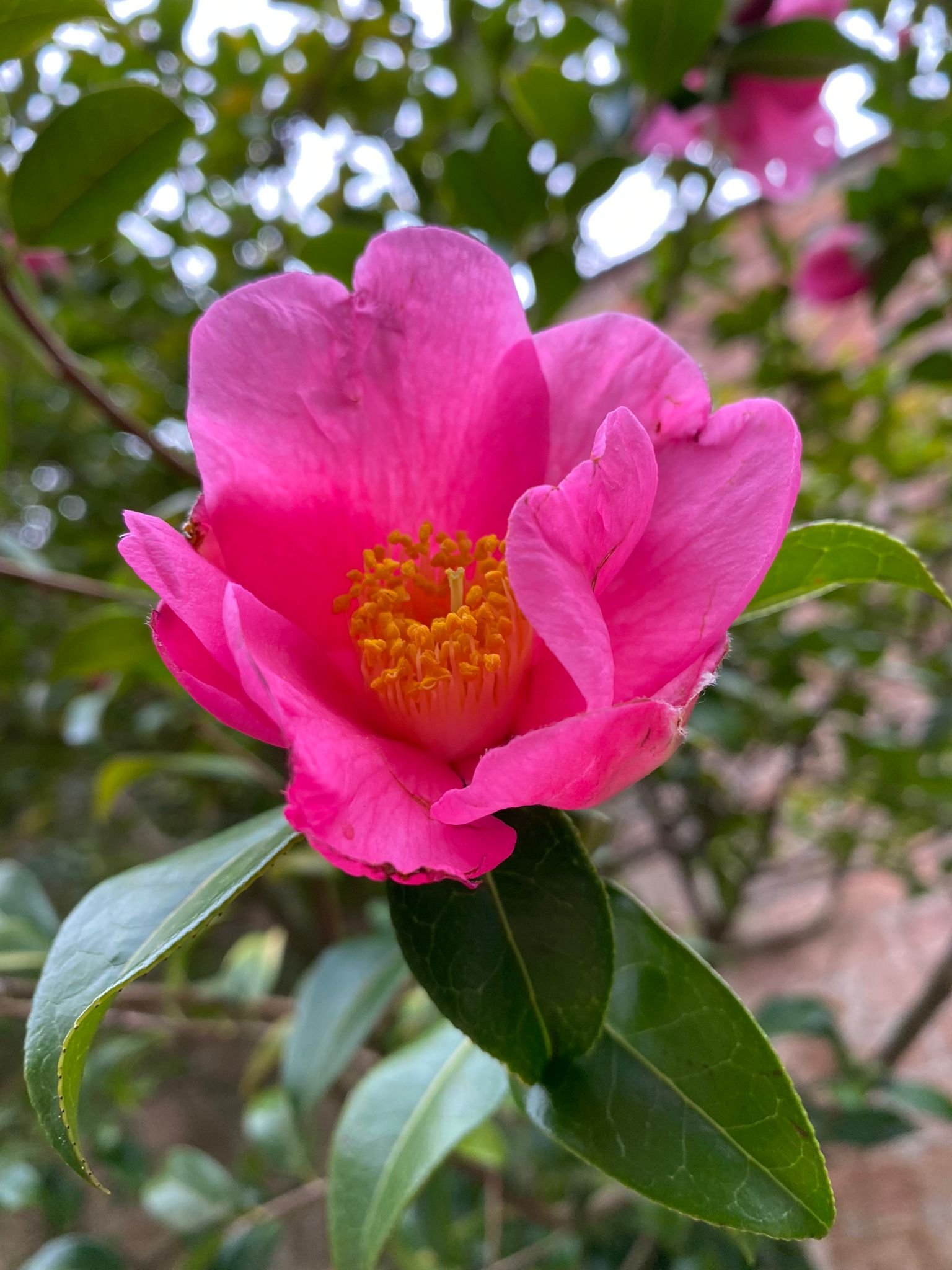
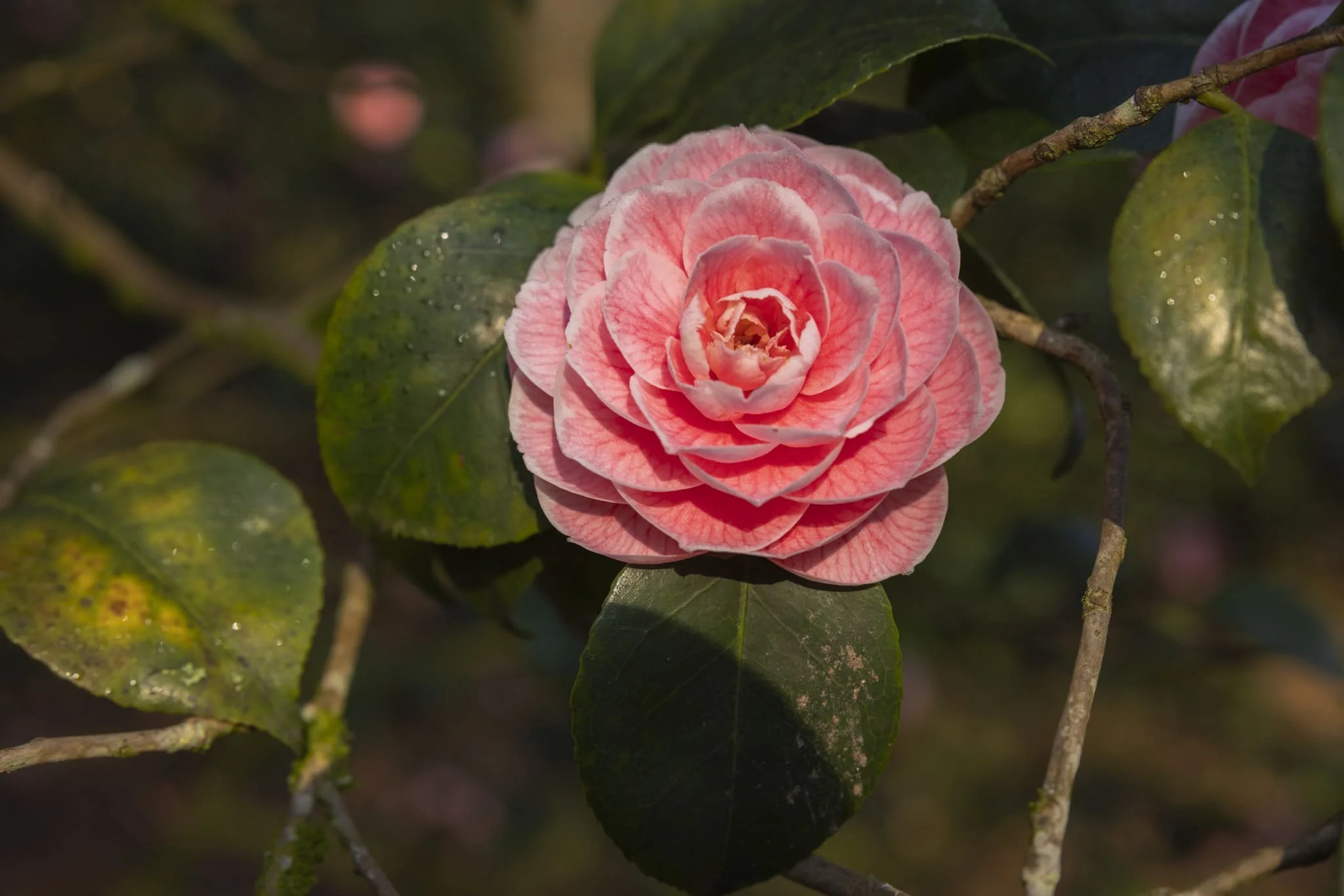
Camellias will continue to take centre stage during April. In Camellia Walk for instance the likes Camellia japonica ‘Valtevareda’ and ‘Rubescens Major’ will join the March display for instance. Down in Camellia Grove there will be dozens of camellias coming to life include the likes of ‘Glen’s Orbit’ and ‘Mrs Lyman Clarke’ to name but two. Whilst in Camellia Grove you will notice that some of the shrubs in here have had a fairly severe haircut. This is the continuing process of restoration pruning that we carry out across the whole garden in a careful, phased approach. March is the best time to do this work as even though in some cases it means we will lose the flowers for this year, it gives the plants a whole 12 months to recover and prepare energy reserves for next year’s display. The hard pruning is best done on plants that are blocking a year, have grown too tall for their space or who are lacking in natural vigour. We always apply a suitable feed and mulch around the plants afterwards to help them on their way too. Incidentally, we’ve been busy trying to identify, catalogue and label more of our unknown camellias recently as we have the International Camellia Society visiting us later in the year to assess us for a couple of awards – more news on that when we have it.
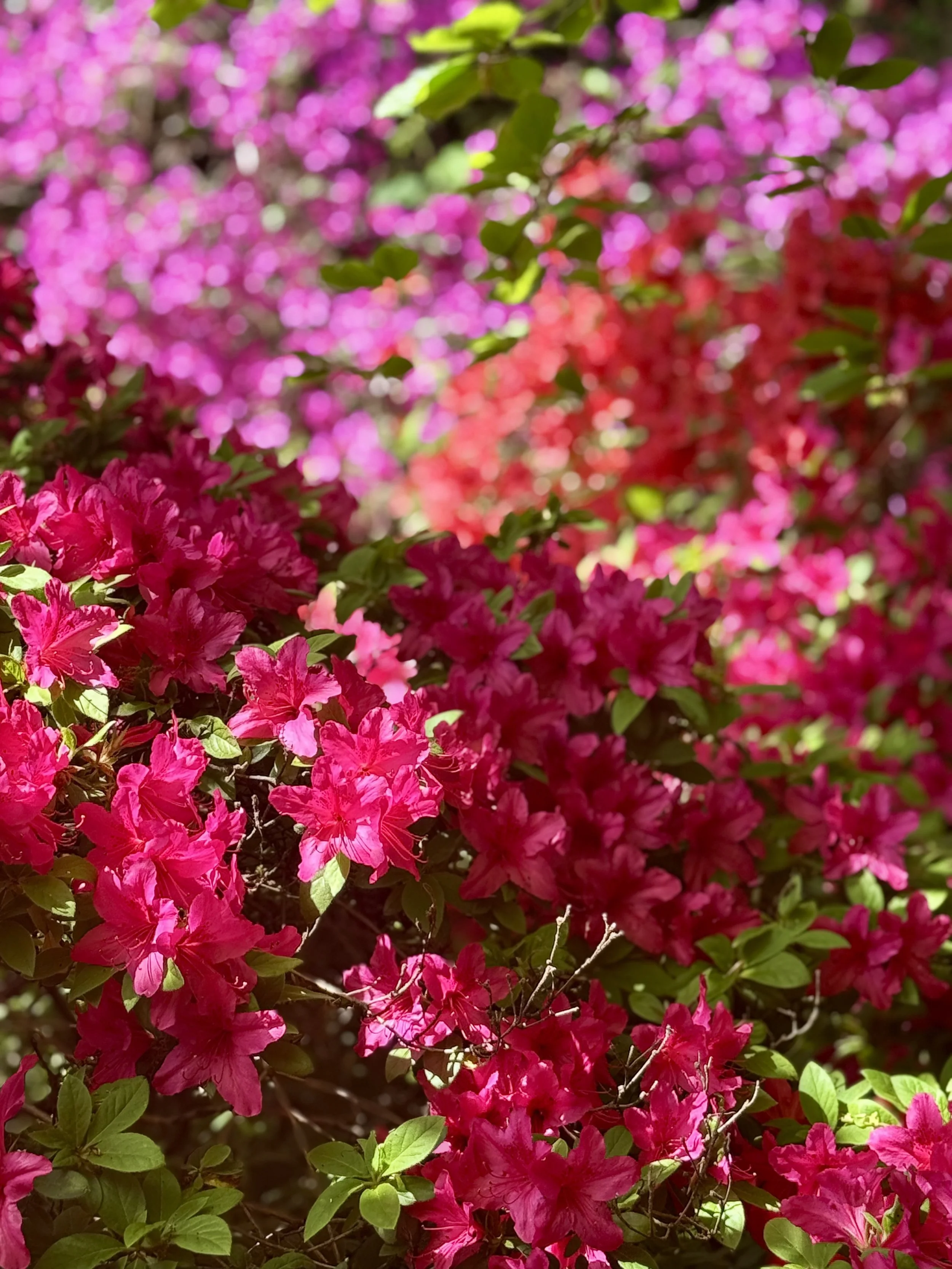
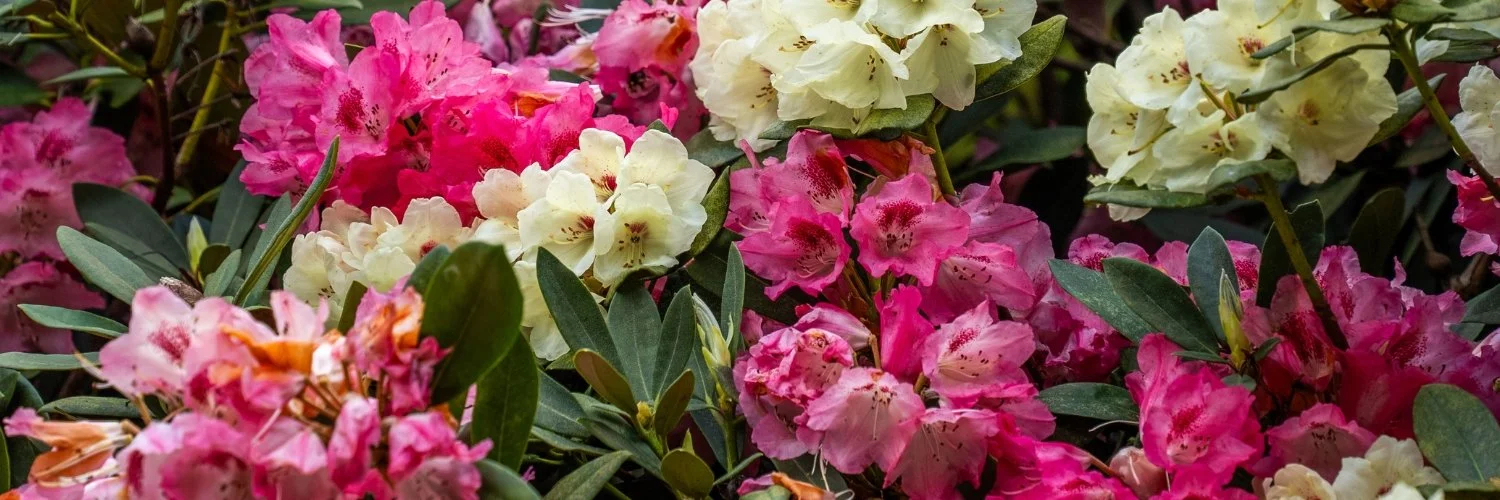
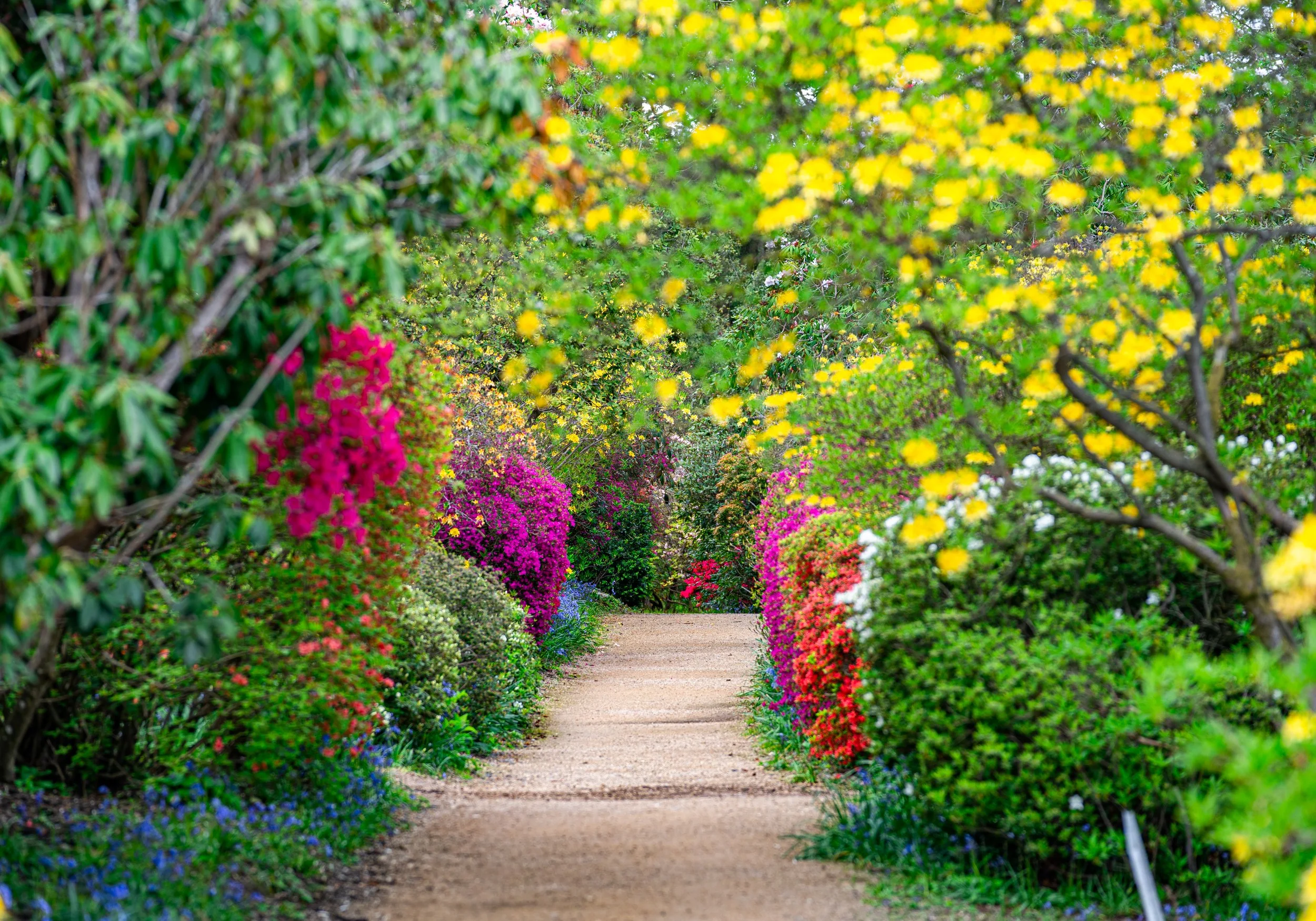
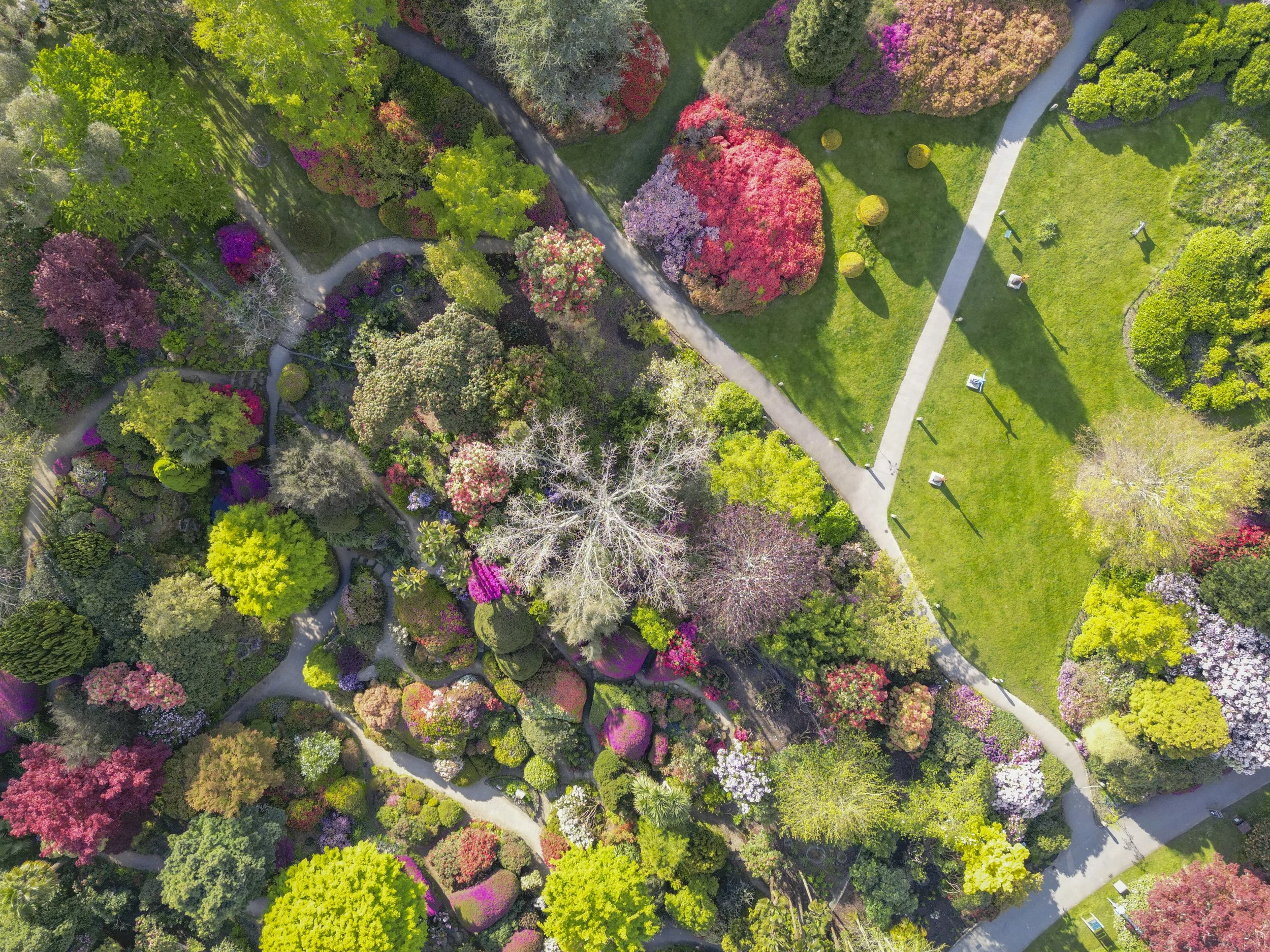
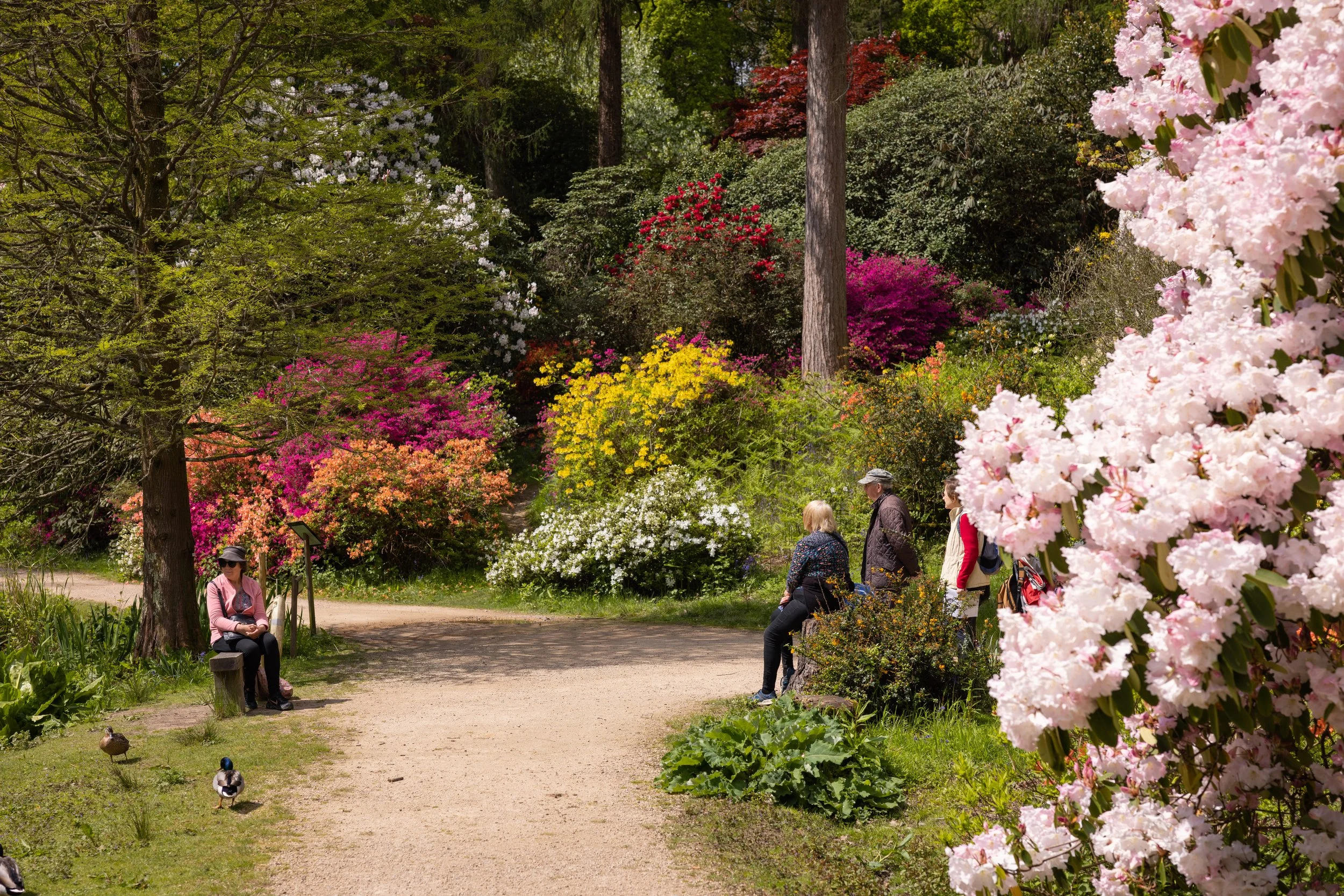
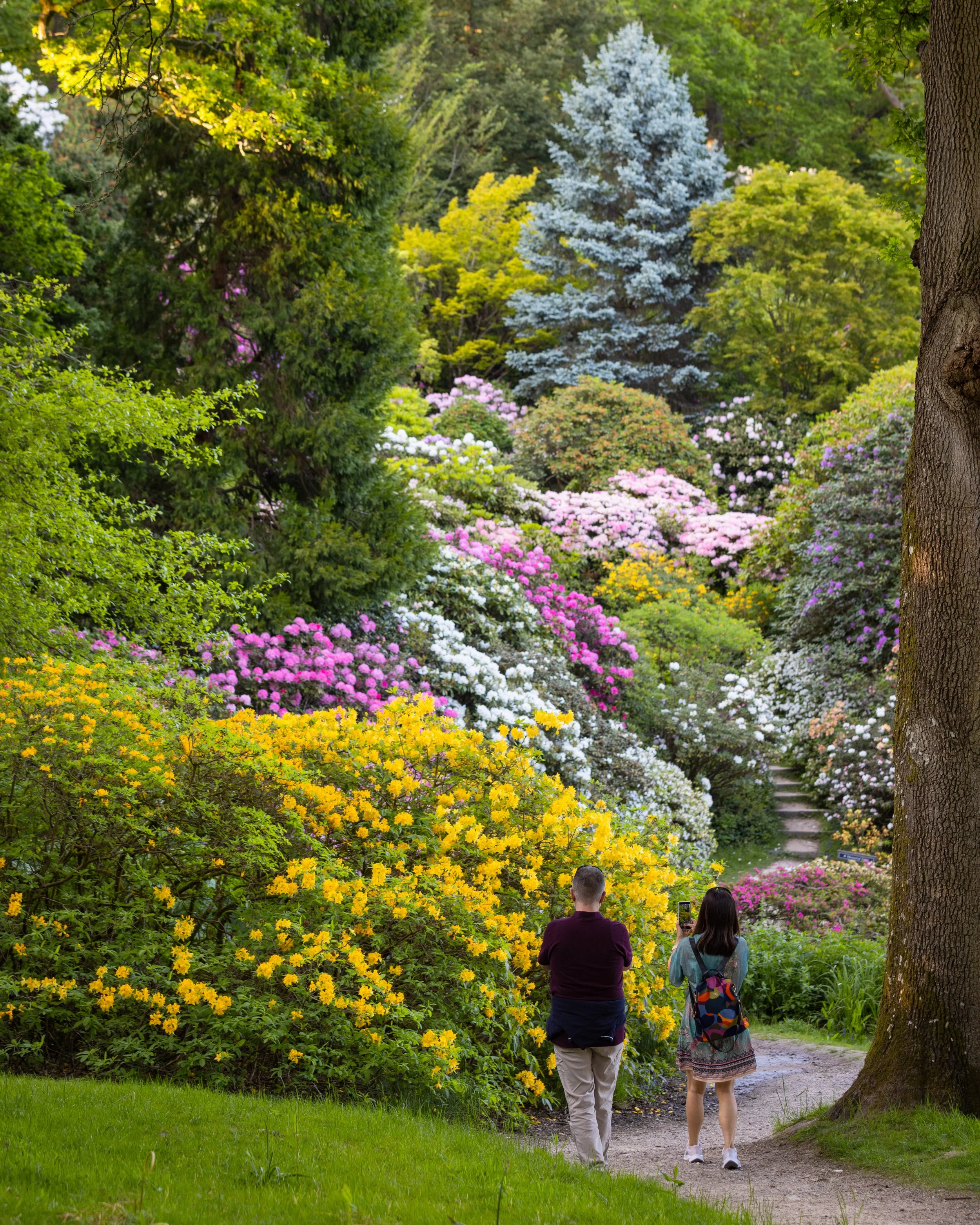
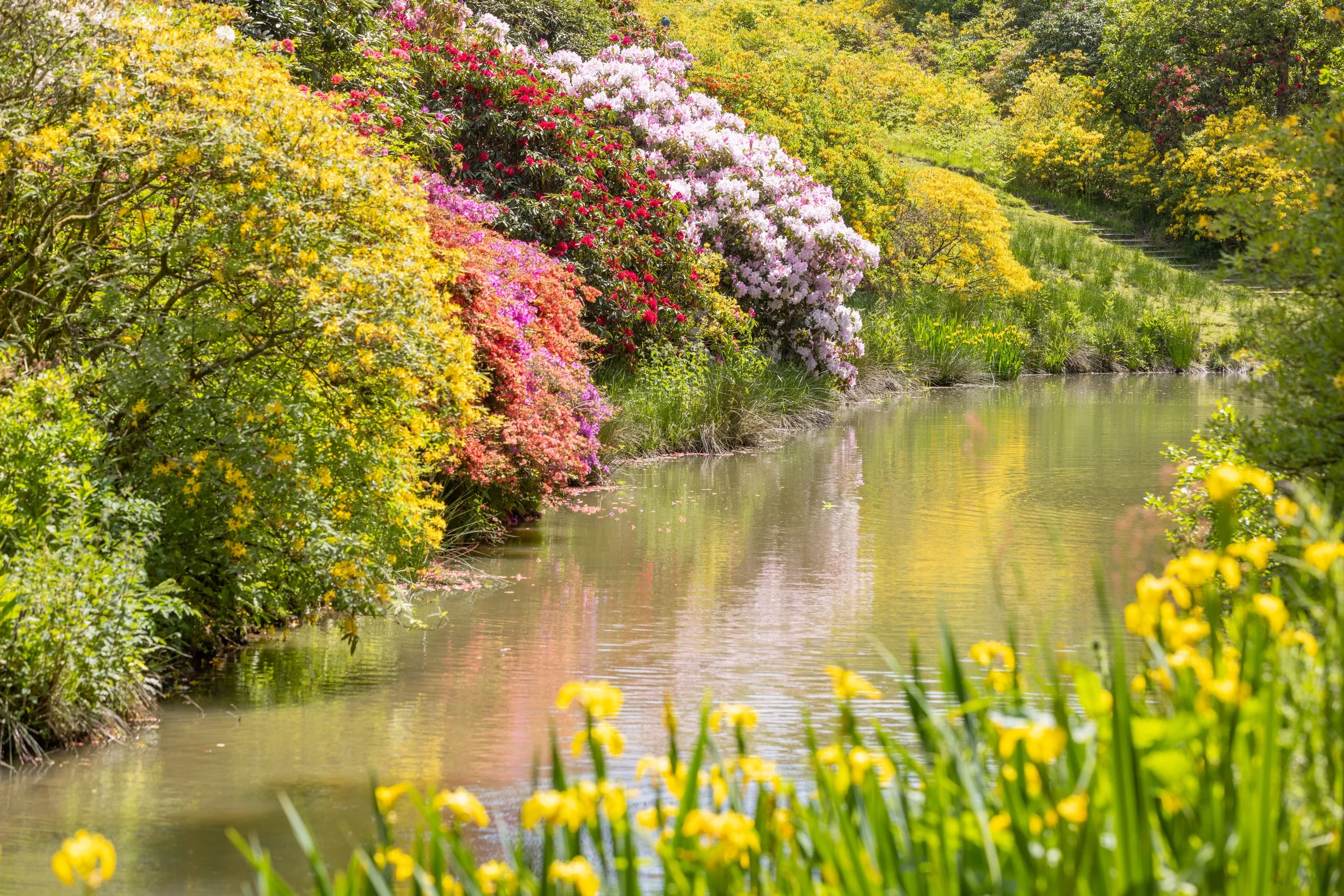
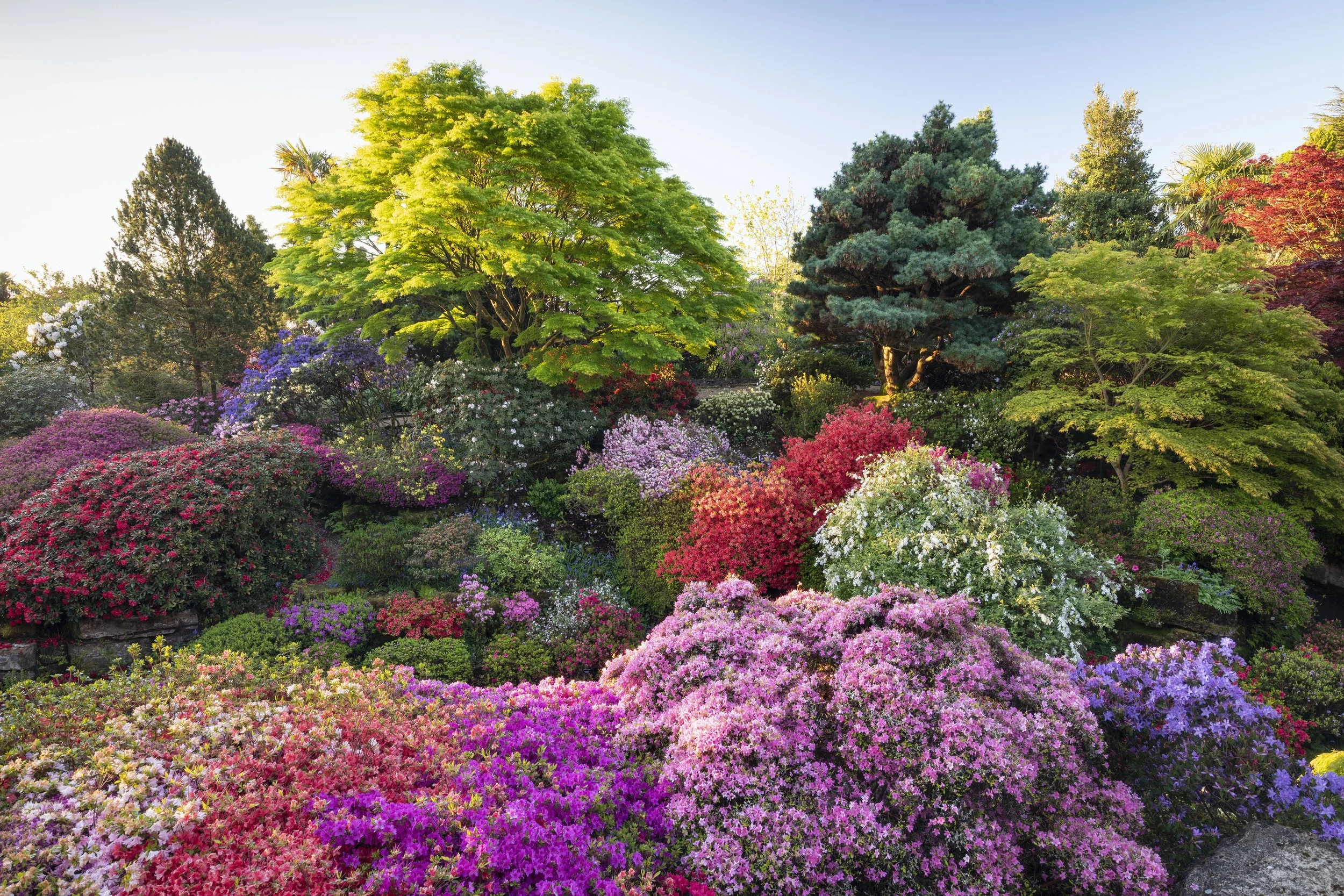

April is also when our world-famous Rhododendron collection really starts to steal the show here at Leonardslee. There have been plenty of early specimens flowering during March and even February this year, but when spring arrives properly the rainbow explosion of rhododendron flowers really begins! Everywhere you walk during late April and May, and even into early June, you’ll be almost assaulted with colour as more and more rhododendrons start to do their floral thing. The horticultural highlight is obviously our legendary collection of hybrids bred by Sir Edmund Loder found most noticeably in the Loderi Garden and Coronation Garden, but you’ll stumble upon rare and unusual examples of every size and colour no matter where you wander during spring. In the Loderi Garden it is often the early red specimens such as R. barbatum, ‘Cornubia’ or ‘Mandalay Group’ that catch the eye first but by the end of the month the full explosion of colour should be well under way. One of my favourites, the big-leaved R. falconeri, can be found flowering behind the Rock Garden. Discovered in the Himalayas in 1850, it has wonderful orange indumentum (protective hairs) on the underside of the leaves and beautifully structured pale yellow blooms with exquisite pink anthers inside each flower. Alongside it is R. macebeanum, another big leaf variety, although without such eye-catching indumentum. Discovered slightly later in 1927 in India, it has similar blooms but with lemon yellow anthers instead.
Other April highlights across the garden to keep an eye out for include the last of the Pieris flowers for this year, our Oemleria cerasiformis (or Squaw Plum) shrubs in the Loderi Garden and the continuation of hellebores and Euphorbia shrubs and their late Winter / early spring floral displays. Talking of Pieris, after they finish flowering this month, it will be a great time to prune any yours at home for size and shape as well as removing any dead, diseased or damaged material (common referred to as the ‘three d’s’ in gardening speak).
Spring also signals a new list of jobs for the garden team here at Leonardslee to be getting on with. We pruned many of our Rhododendron and Camellia shrubs during March as mentioned above but April is when attention turns to tackling out hydrangeas. For several years we treated them quite hard, pruning back to the 1st or 2nd lowest set of emerging buds on each stem. However, we found that this often resulted in reduced flowering density so over the last couple of years we’ve only been cutting back to one or two buds from the top of the stems, sticking to the darker new wood rather than the lighter coloured old wood. Again, we’ll feed and mulch them afterwards and this should mean that another bumper display of blooms will be on show this year. This is a great job that you can tackle at home in your garden right now too so why not give it a go.
The lawns will start to take up more of our time again too in April. We’ll be finishing up with any feeding and re-seeding as well as getting our newly-serviced mowers up and running in earnest once more. April is also an ideal time to divide any herbaceous perennials. This stops old clumps becoming congested and weak in the centre as well as providing us with free plants to place elsewhere in the beds and borders! And while we’re on the subject of herbaceous perennials, now is a great time to finally cut back any leggy, woody or overgrown Salvia, Penstemon or Fuchsia for example, now that the risk of major frosts has hopefully passed – fingers crossed! In the polytunnels our mammoth seed sowing work continues as well as the resulting pricking out and potting on processes, as perfect new plants are produced for us to add to the beds and borders in a month or so’s time.
I could go on but hopefully that gives you a taste of what you can expect to see here at Leonardslee this month and what sort of work me and the garden team will be getting on with.
Don’t forget that our we run garden tours each month and this month you’ll be able to join one on the 15th, 20th and 27th. We look forward to seeing you here again in the gardens at Leonardslee very soon.
Jamie Harris
Head Gardener