The Weird and Wonderful World of Fungi at Leonardslee
By Ethan Berry
Welcome to the weird and wonderful world of fungi!
When you think of autumn, you probably picture trees like Acers, Beeches, or Liquidambars turning brilliant shades of red, orange, and gold. But in my (very biased and toadstool-obsessed) opinion, fungi can be just as beautiful, colourful - and sometimes downright bizarre - as any autumn leaf display.
Leonardslee is absolutely teeming with these fascinating organisms. In this article, we’ll explore what fungi actually are, how they grow, the environments they prefer, and why Leonardslee is such a fungally FRUITful place.
So, what exactly are fungi?
Until as recently as 1969, fungi were actually lumped together with plants in the Plant Kingdom. This was because fungi share some surface similarities with plants — they produce fruiting bodies annually (like mushrooms), they’re largely immobile, and they grow out of soil or wood.
We now know, however, that fungi are more closely related to animals than to plants. There are two main reasons for this:
Fungi get their food from the environment around them, unlike plants, which produce their own food through photosynthesis.
Their cell walls are made of chitin — the same tough material found in insect exoskeletons — whereas plant cell walls are made of cellulose.
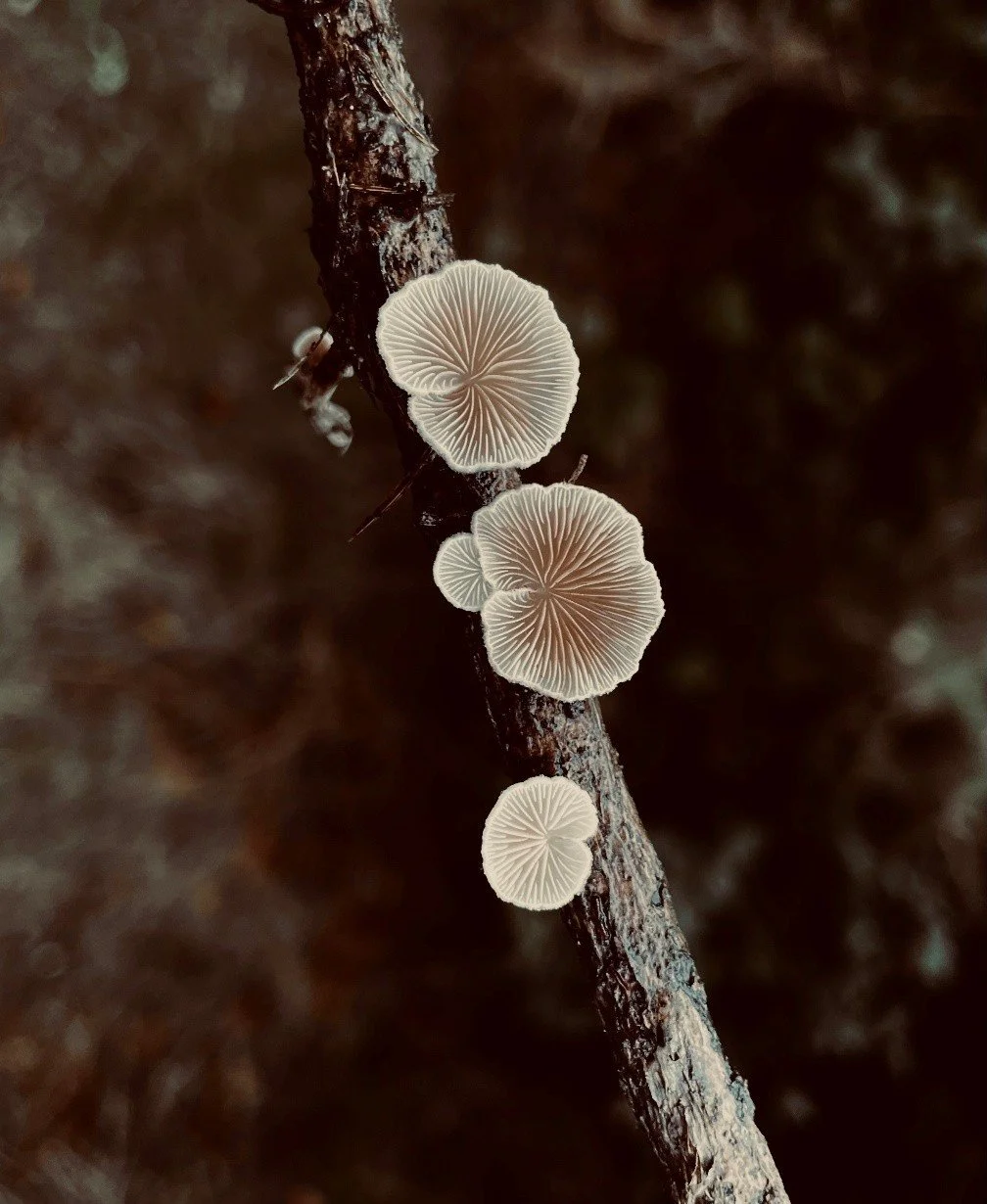
Figure 1 Variable Oysterling (Crepidotus variabilis)

Figure 2 Emerging saprobic fungi, colonising Birch deadwood
For these reasons (and many others), fungi were finally given their own classification: the Fungus Kingdom.
The mushrooms we see on the ground or on wood are just the fruiting bodies - the reproductive parts - of a much larger organism hidden below the surface. The main body, called the mycelium, is a web-like network of microscopic threads that spreads through soil or wood. Think of mushrooms as the apples on a vast underground apple tree. These networks can be absolutely HUGE. In fact, if you were to take all the networks in the top 10cm of earth and stretch them all out, the estimated length would be 450 quadrillion kilometres. That’s the equivalent of going to the sun and back nearly 2 billion times, or roughly half the length of the entire milkyway!
Fungal networks can thrive in almost every environment imaginable — from deserts and ocean floors to the freezing Antarctic. They’re incredibly adaptable. This is one reason why fungi at Leonardslee are so diverse: the estate offers such a variety of habitats and microclimates. The valley provides a range of elevations and temperatures, while the differing soils bring unique moisture levels and nutrients. Add in woodlands, grasslands, and ornamental plantings, and you have a perfect fungal playground.
The Eucalyptus that were planted here over 100 years ago have brought with them a Gum Tree Deciever, a species of mushroom that was originally found only growing with Eucalyptus in the southern hemisphere!
Friends and foes: mycorrhizal and parasitic fungi
By “friendships,” I’m referring to mycorrhizal fungi;
Mycorrhizal fungi form intimate partnerships with trees and plants, creating what scientists now affectionately call the Wood Wide Web. Through this underground network, fungi and trees exchange nutrients and even “communicate” chemically (not by any stretch the sort of communication that animals do, they aren’t exactly having a cup of tea and a catch up). The fungi gain access to sugars produced by the trees via photosynthesis, and in return, the trees receive essential minerals and nutrients that fungi can reach thanks to their vast underground spread - sometimes over 700 times the reach of a tree’s own rootsystem!
Tree roots are relatively inefficient at finding nutrients such as phosphorus, copper, and zinc. Fungi, on the other hand, are expert scavengers, extending through soil and leaf litter to deliver these nutrients straight back to their tree partners.

Figure 3 Amanita muscaria
Leonardslee’s many veteran trees and wide variety of species allow for countless fungal partnerships. Older trees, in particular, tend to have more established fungal friendships - so much so that in mycology, these are sometimes called “mother trees.” These trees can even use their fungal networks to pass nutrients to younger or struggling trees nearby to help them grow or recover from disease.
A perfect example of a mycorrhizal fungus found here is the iconic Fly Agaric (Amanita muscaria), one of the most striking and recognisable mushrooms around - and abundant at Leonardslee in autumn. (See figure 3.)

Figure 4 Cordyceps militaris
The not-so-friendly fungi
Parasitic fungi are the less cooperative cousins in the fungal world. These species form one-sided relationships where only the fungus benefits - often at the expense, or even the death, of their host. They steal nutrients or break down living tissues, causing what we call decay.
One of the most fascinating parasitic fungi found at Leonardslee is Cordyceps militaris, a member of a genus that’s recently gained fame thanks to the TV series The Last of Us. Cordyceps fungi parasitise insects - sometimes even hijacking their bodies to spread their spores!
Cordyceps militaris targets moth pupae underground, breaking them down and replacing their tissues with fine fungal threads. From this eerie process emerge beautiful bright-orange fruiting bodies, known commonly as the Scarlet Caterpillar Club. You’ll often spot them in meadows or along mossy woodland edges. Leonardslee’s rich variety of flowering plants attracts many butterflies and moths - meaning lots of caterpillars, and therefore plenty of caterpillar clubs!
Fungal parasites also infect trees, and while they sometimes get a bad reputation, they play a vital role in woodland ecosystems. For instance, Ganoderma species - which are common in our gardens - cause a type of brown rot inside living wood. Over time, this can weaken or kill trees, but it also contributes to natural cycles of decay and renewal. The “Oak Deadwood Assemblage” consists of fungi associated with, you guessed it, Oak Deadwood. Leonardslee has so many of these fungi that it qualifies for SSSI Levels of diversity, some of which are exceedingly rare.
When trees die or drop limbs, they often leave behind standing deadwood - an incredibly valuable habitat. Bats, woodpeckers, moths, beetles, jackdaws, squirrels, dormice, owls, and countless other vertebrates and invertebrates rely on deadwood for food and shelter. So, while parasitic fungi can look destructive, they’re actually key to keeping the ecosystem thriving.
Don’t worry, though — Me and Tom (Ranger/ Tree surgeon team) regularly inspect and maintain trees along paths and visitor areas to make sure everything remains safe.

Figure 5 Parrot waxcap (Hygrocybe psittacina)
The jewels of the grassland: Waxcaps
Waxcaps are another group that flourish in parts of Leonardslee. These are some of the most beautiful and ecologically significant fungi in the UK. The waxcap family, Hygrocybe, gets its name from the Greek hygro (“wet”) and cybe (“head”), a nod to the glistening, slimy caps of many species. They sparkle like tiny gems in the grass - vivid reds, yellows, oranges, and greens shining like rubies and emeralds after rain.
Waxcaps are extremely sensitive fungi that only grow in undisturbed, unfertilised grassland. Sadly, they’re declining due to modern land management - things like heavy fertiliser use, frequent mowing, and soil compaction. It can take up to 50 years for waxcaps to return after soil disturbance.
Although we still have much to learn about their exact ecology, we know they coexist closely with grasses in nutrient-poor meadows. Together with pinkgills, earthtongues, and coral fungi, they make up what’s known as the waxcap grassland assemblage - a colourful community of species found in old, untouched grasslands.
Leonardslee Gardens boasts 15 species from this assemblage - an extraordinary number, with many found in a single lawn! That alone would qualify the area as being of regional ecological importance due to its fungal diversity.
I manage two of these lawns specifically with waxcap fungi in mind, and it’s surprisingly easy to support them. We mow or strim just three or four times a year, ensuring the final cut is in late September, and we use leaf blowers to remove clippings, so no extra nutrients are added to the soil. Minimal mowing benefits not just fungi, but pollinators too — spring flowers and grasses are buzzing with life when left to grow.
Some of the waxcaps here are even considered “Vulnerable” on the IUCN Red List, including the Crimson Waxcap and the Splendid Waxcap, both firm favourites among mushroom enthusiasts.
If you go looking for waxcaps, tread carefully — even footsteps can damage them. It’s best to admire these delicate treasures from the path.

Figure 6 Scarlet waxcap (Hygrocybe coccinea)

Figure 7 Cone Tooth Fungus (Auriscalpium vulgare)
Come and see for yourself!
I could never cover all of Leonardslee’s fungi in just one post - you really have to see them for yourself! Now is the perfect time, as fungi are at their peak this season. Once the first frost arrives, most fruiting bodies will break down and disappear until next year. So grab your camera, pop on your wellies, and come explore the weird and wonderful world of fungi before the season fades!
Article Written and Photographed by Ethan Berry: Leonardslee Lakes and Gardens Ranger Team