Celebrating National Tree Week at Leonardslee Lakes & Gardens
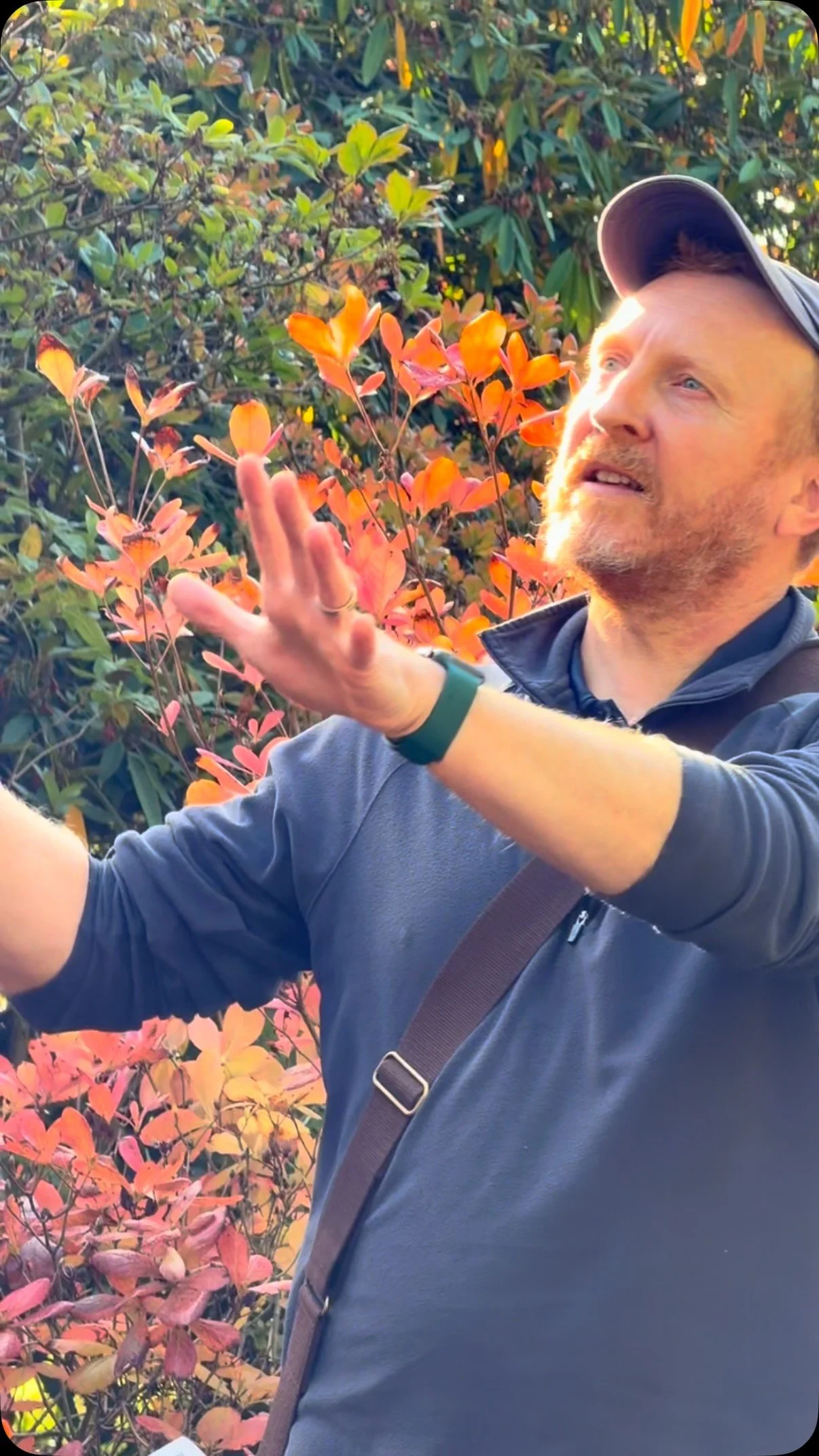
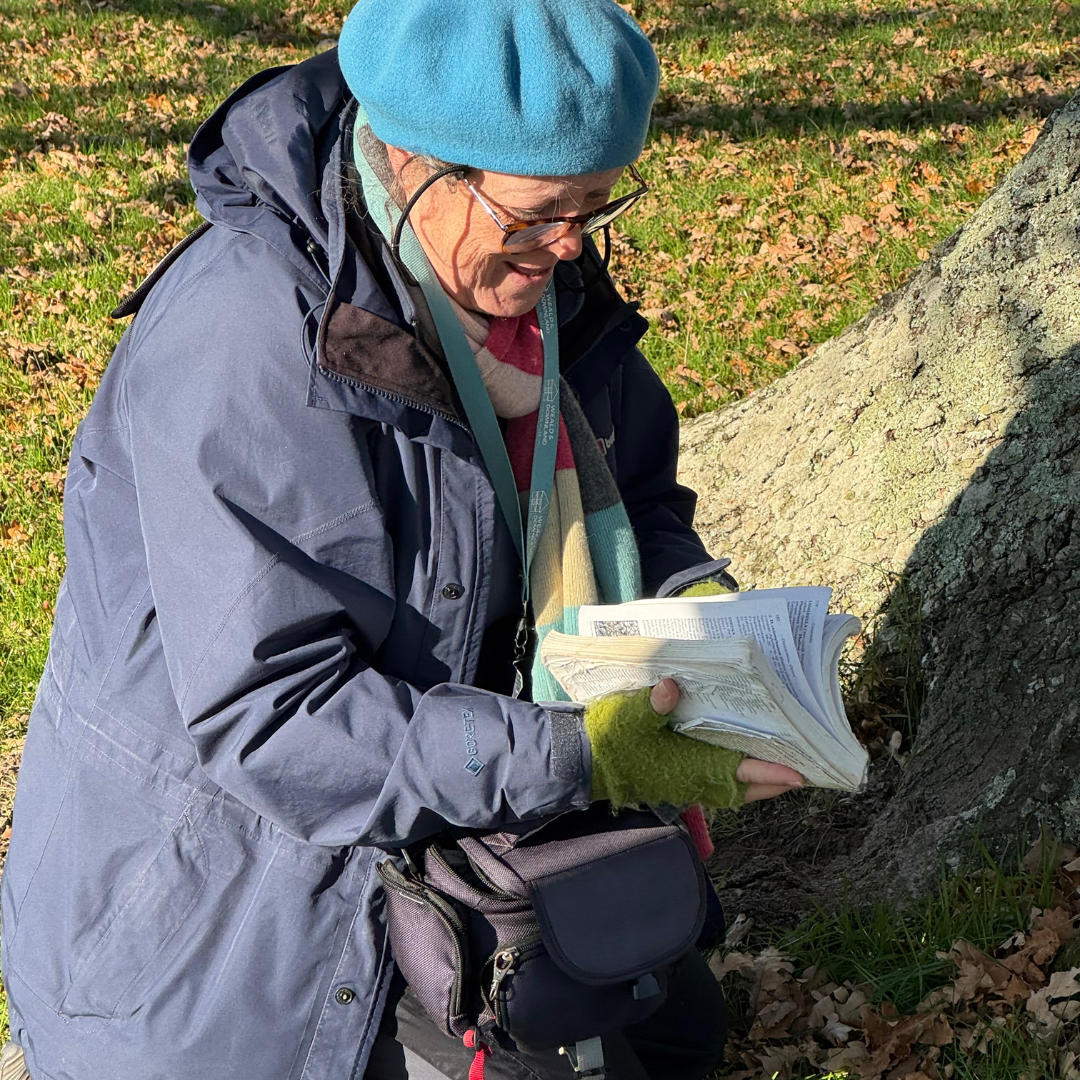
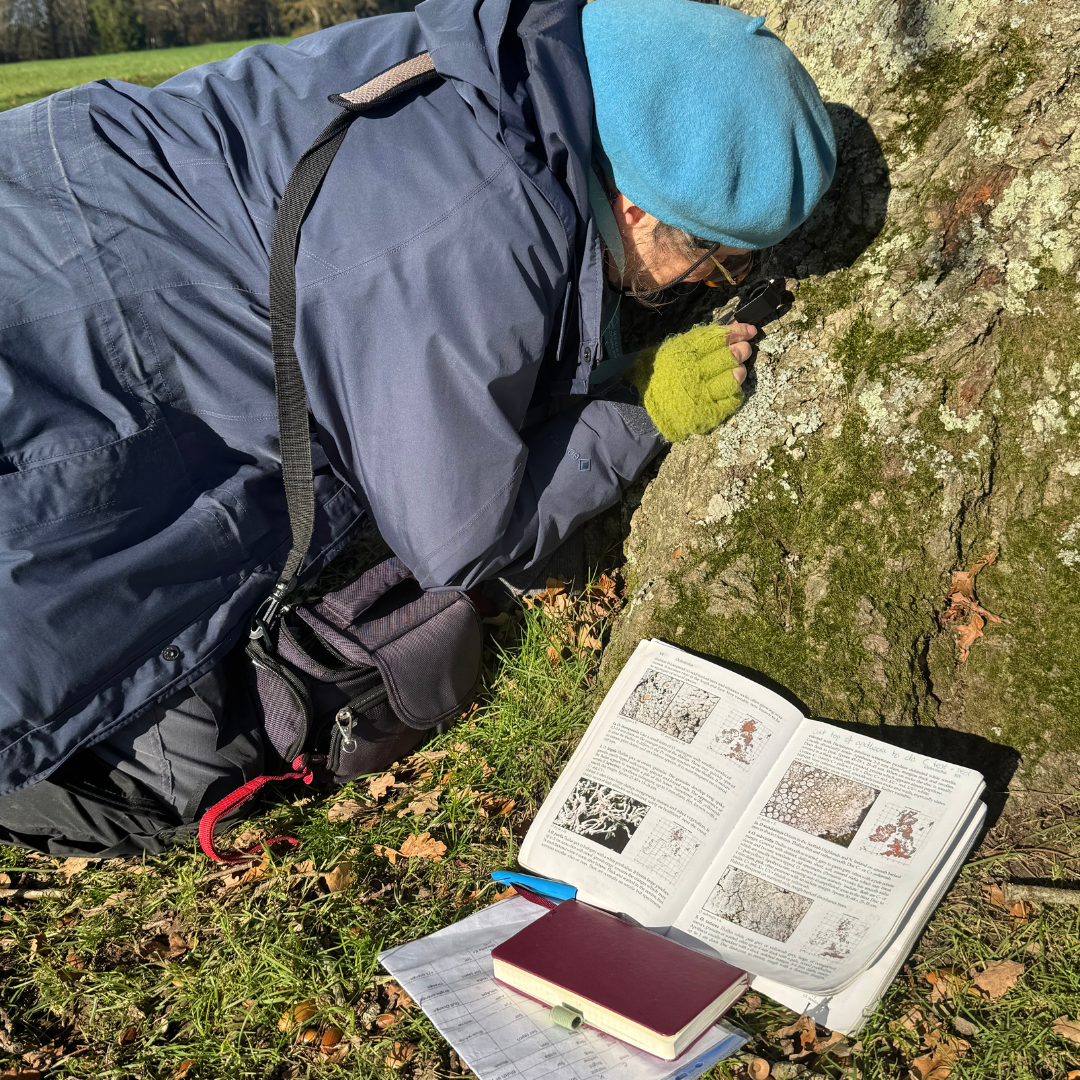
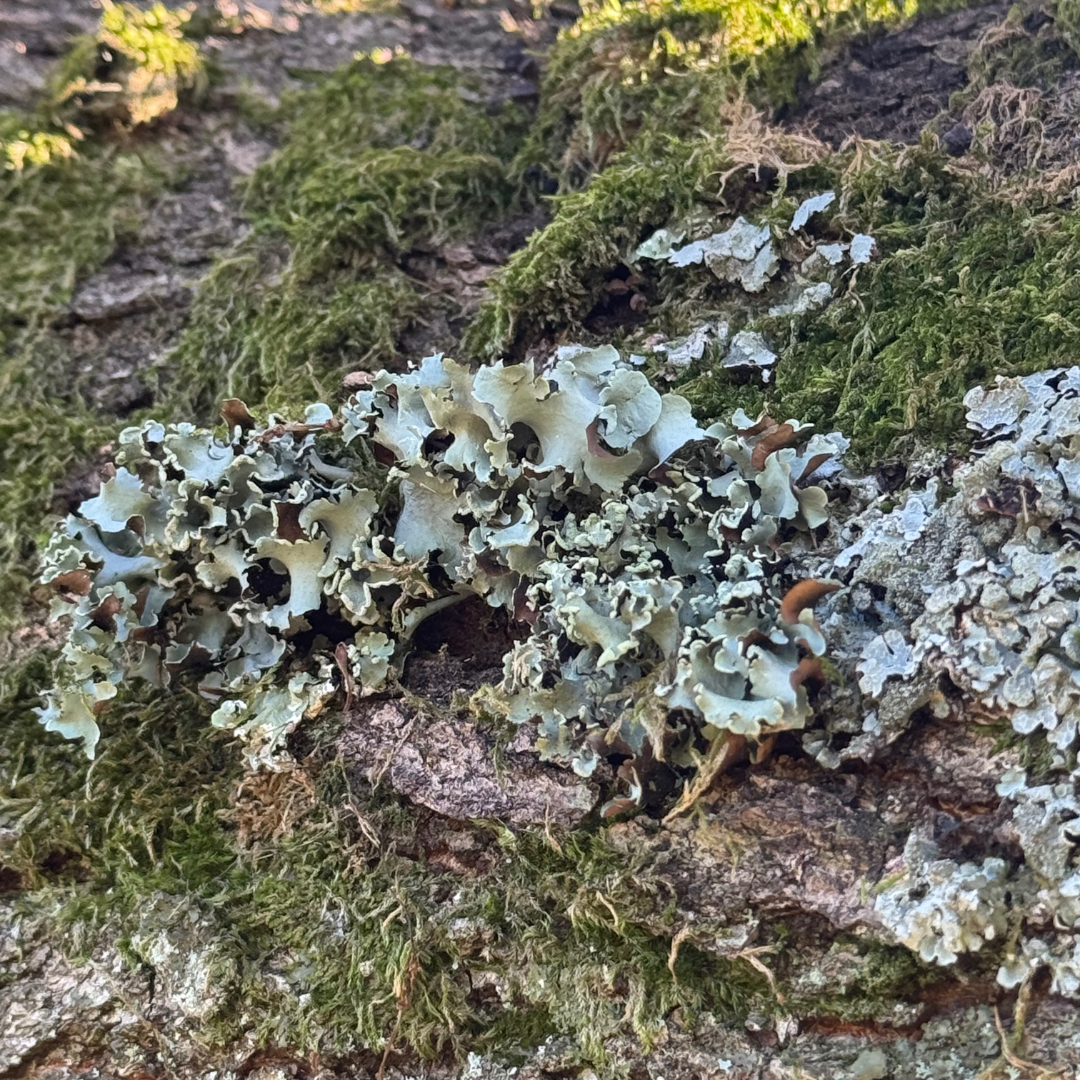
National Tree Week is underway, and we are celebrating the remarkable trees and hidden ecosystems that make Leonardslee Lakes & Gardens so special. As part of this year’s activities, we welcomed expert Sylvia Davidson for a detailed lichen survey on one of our ancient oak trees.
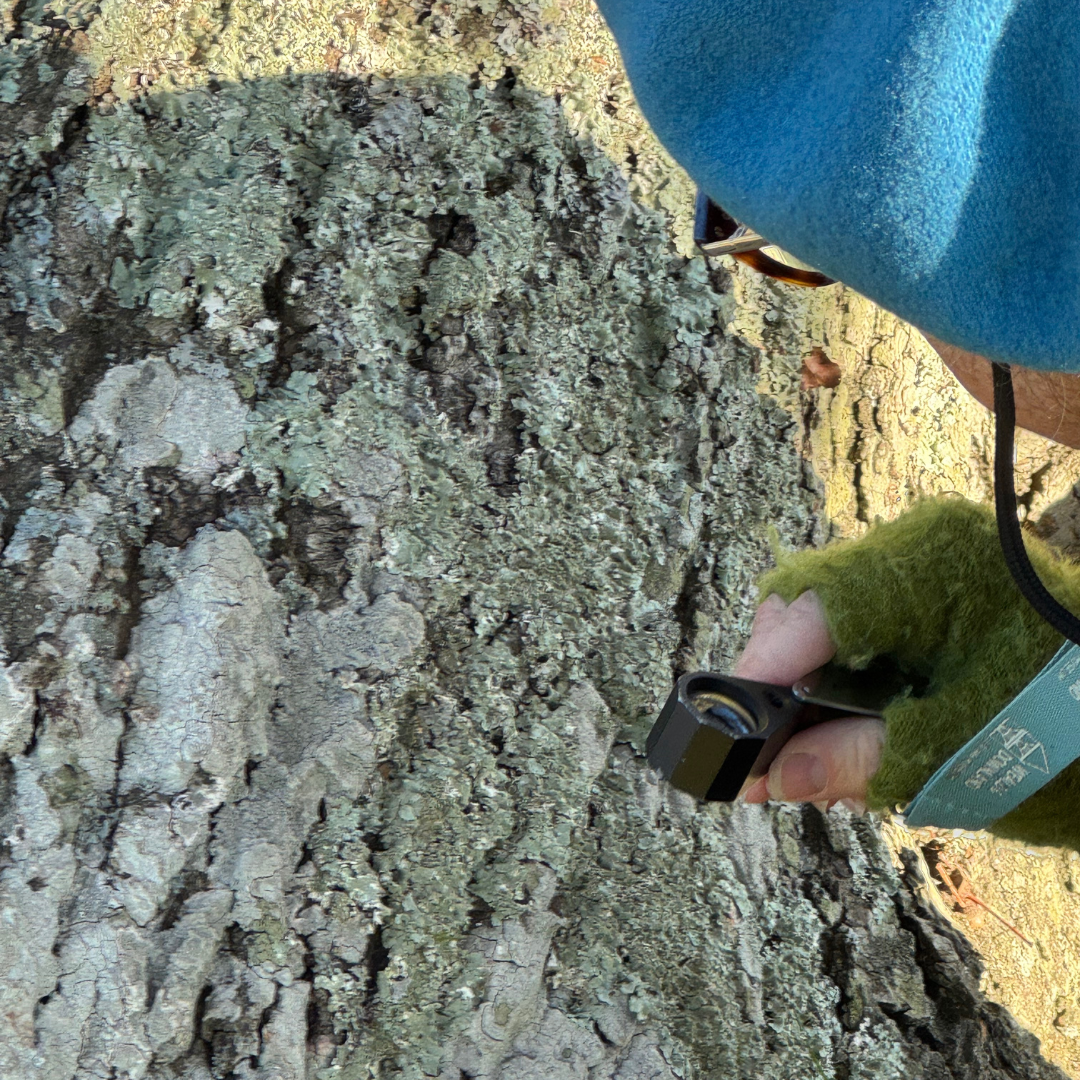
Lichens are extraordinary organisms that grow on trees, rocks, and soil. They are important indicators of environmental health and a vital part of biodiversity, supporting insects, birds, and the wider ecosystem. Sylvia’s survey revealed an impressive variety of lichens thriving on the bark of one of our oldest oaks.
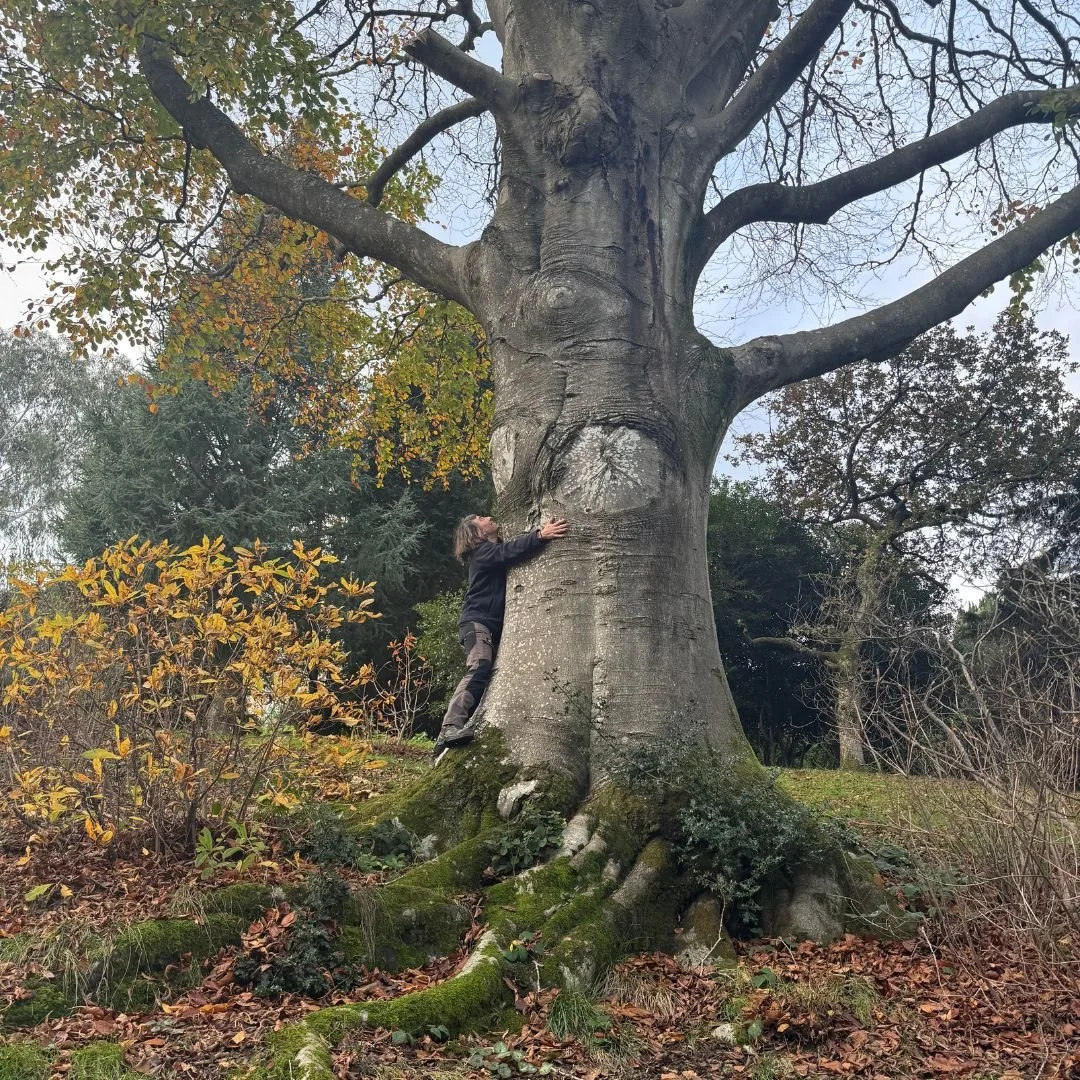
This magnificent 400 year old oak tree has stood in its place since the reign of King Charles II. Its broad trunk, towering height, and textured bark reflect centuries of growth. It is easy to imagine this ancient tree watching over the estate and the South Downs as a quiet keeper of history.
National Tree Week reminds us why trees matter. They hold stories, provide habitats, and inspire a sense of awe through every season.
Our Head Gardener, Jamie Harris, also highlights the importance of standing deadwood, or monolithic trees, which act as essential wildlife habitats. Insects, fungi, and birds often thrive within a perished tree more than a living one. As it breaks down, the tree enriches the soil and fuels one of nature’s most efficient recycling systems.
Jamie also shines a light on some of the extraordinary and rare species found throughout Leonardslee:
Pinus ponderosa, the Western Yellow Pine from North America, introduced to the UK in 1827 by Scottish botanist David Douglas. It is an important timber tree in the USA and holds County Champion status in Horsham and Guildford at 33 metres tall with a 297 cm girth as recorded in 2010.
Fitzroya cupressoides, the Patagonian Cypress from South America. Endangered in the wild and introduced to the UK in 1849 by plant hunter William Lobb. The oldest known specimen reaches 3613 years, making it the second longest lived tree species in the world. Our County Champion at Leonardslee stands at 13.2 metres with a 145 cm girth as recorded in 2023.
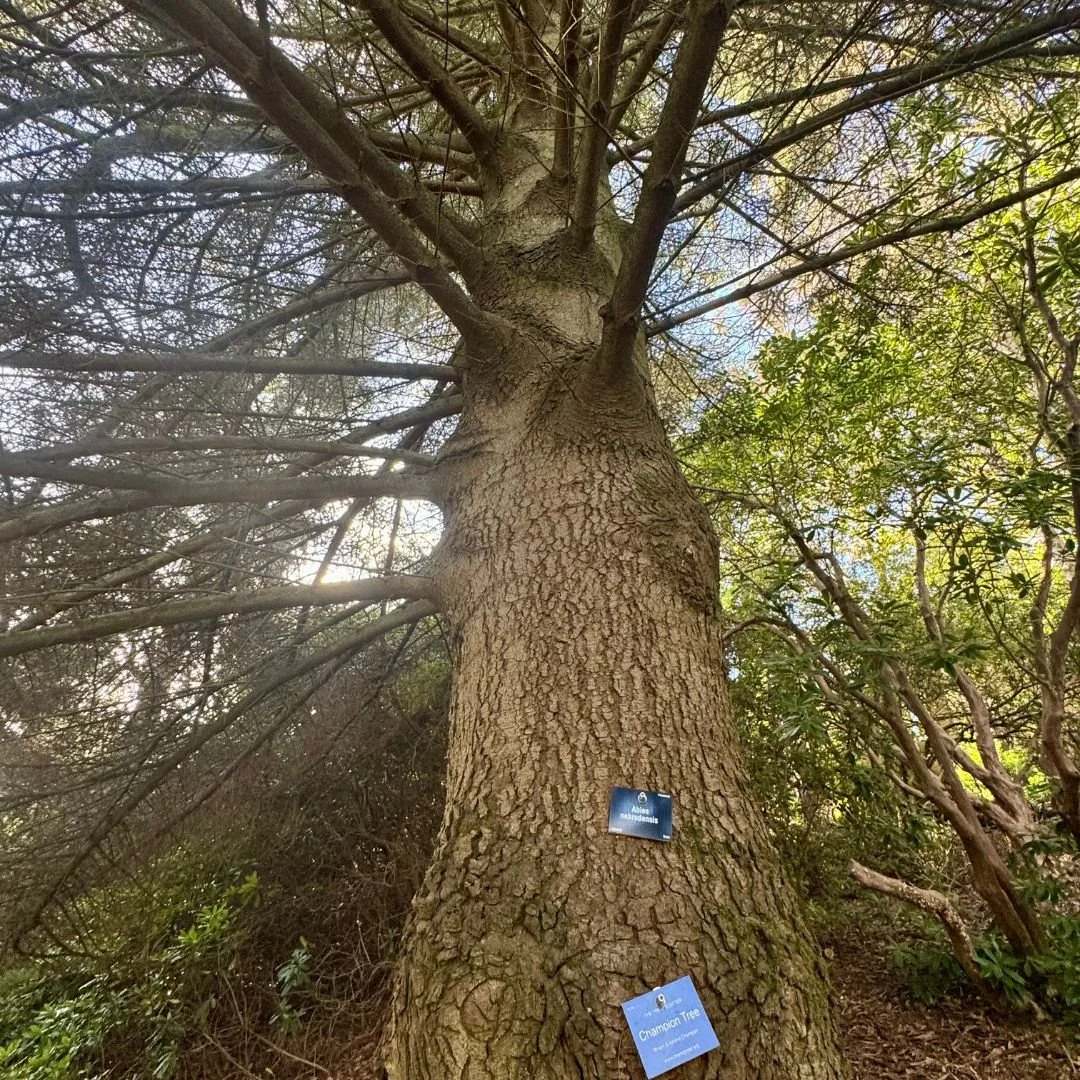
Abies nebrodensis, the Sicilian Fir, critically endangered with only 30 individuals remaining in the wild. Once thought extinct until rediscovered in 1957, it is often called the rarest plant in the world. Difficult to propagate and prone to hybridising, it holds British and Irish Champion status at 24 metres with a 212 cm girth as recorded in 2019.

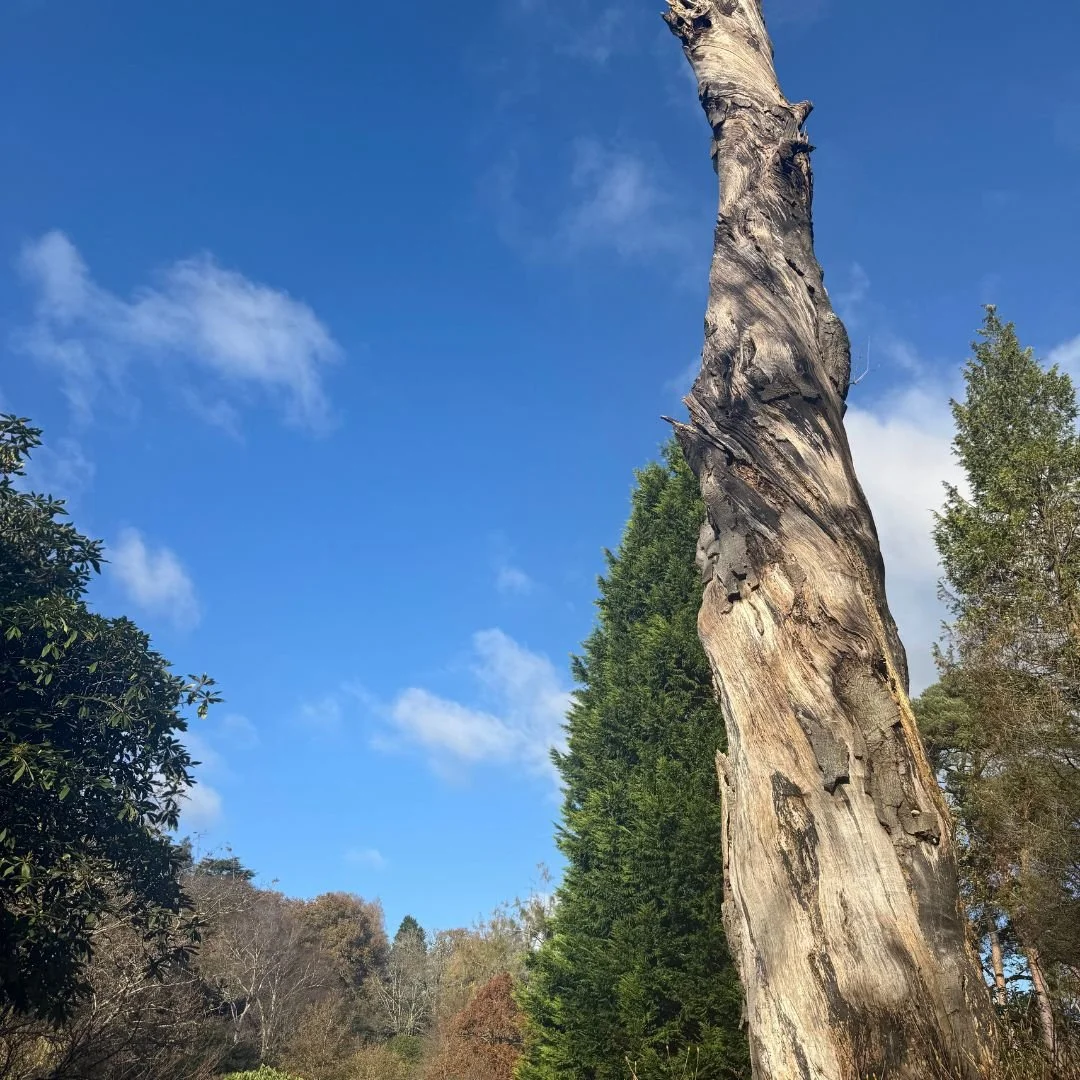
Jamie also introduces the decorticating Eucalyptus pauciflora subsp. niphophila, known as the Cabbage Gum or Snow Gum. Native to the eastern mountains of Australia and introduced in 1929, it naturally sheds its bark to promote growth, remove pests, improve photosynthesis, and provide some protection from wildfire.
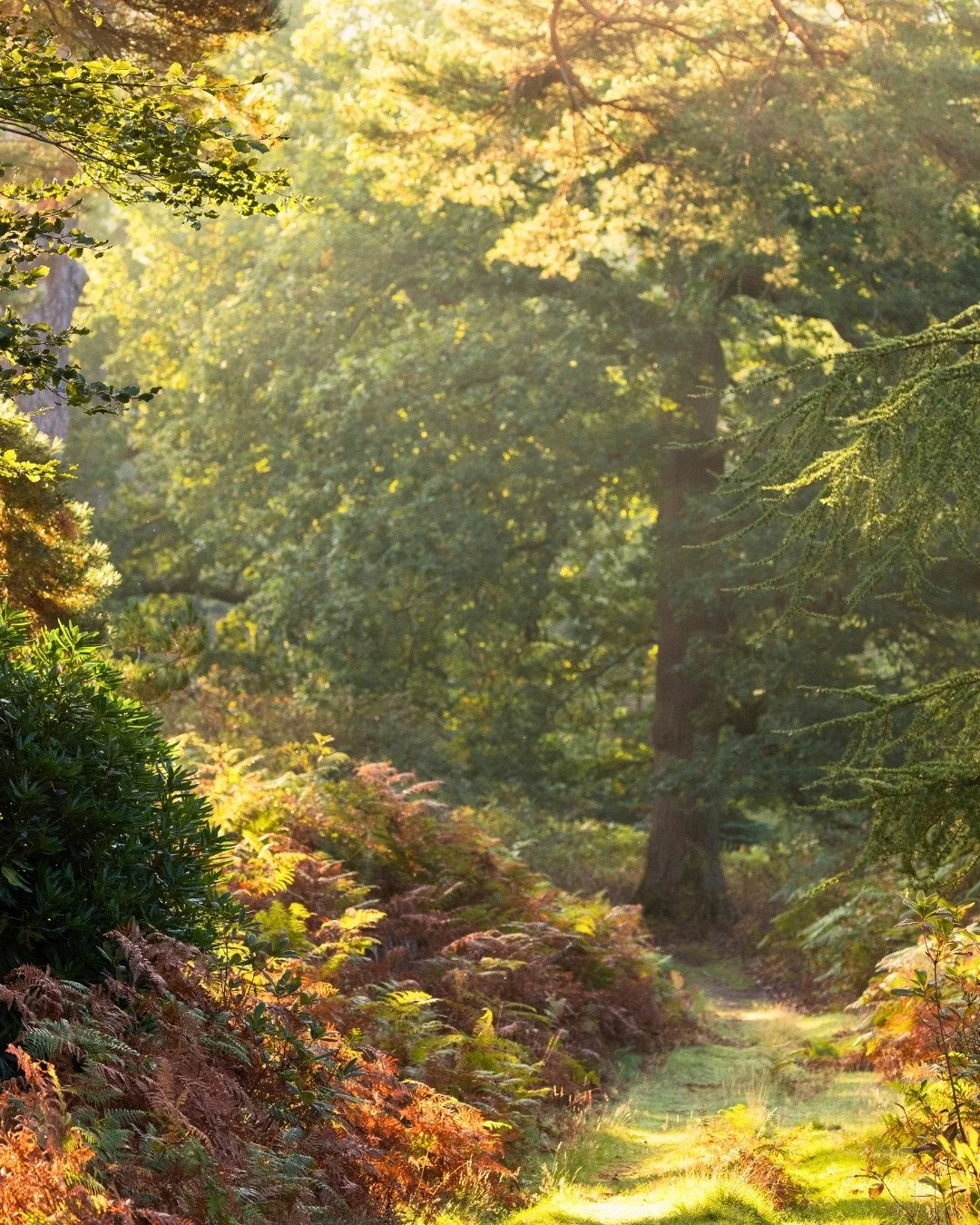
Throughout the week, we are celebrating the extraordinary trees of Leonardslee Lakes & Gardens, from ancient monoliths to globally recognised Champion Trees.
Stay tuned on our Instagram for insights that reflect the beauty, wisdom, and life rooted all around us.