
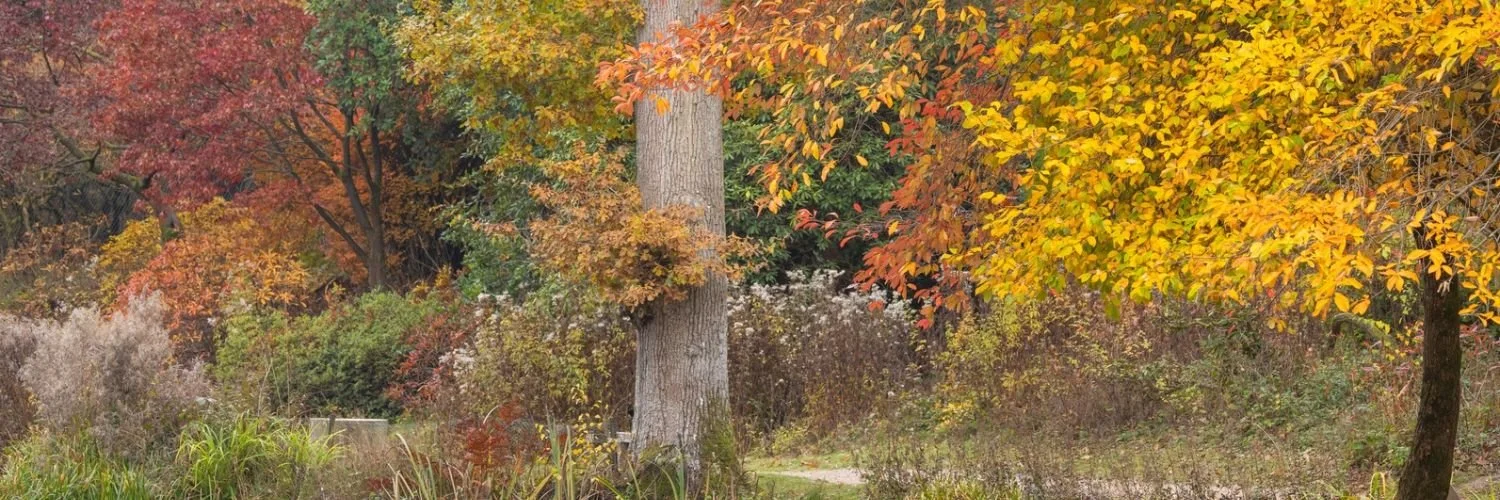
As mist settles over the Deer Park and the calls of rutting deer carry across the valley, autumn brings a different kind of beauty to Leonardslee Lakes and Gardens in West Sussex. The woodland canopy turns to shades of amber and gold, fallen leaves gather along the pathways and the quieter corners of the estate become a haven for wildlife.
Beyond the seasonal colour, there is plenty of natural history to discover. From the estate's distinctive colony of wallabies to roaming deer, migrating birds and colourful woodland fungi, a walk through Leonardslee offers a glimpse into the rich ecosystem that makes this landscape so special.
Wallabies in the Gardens
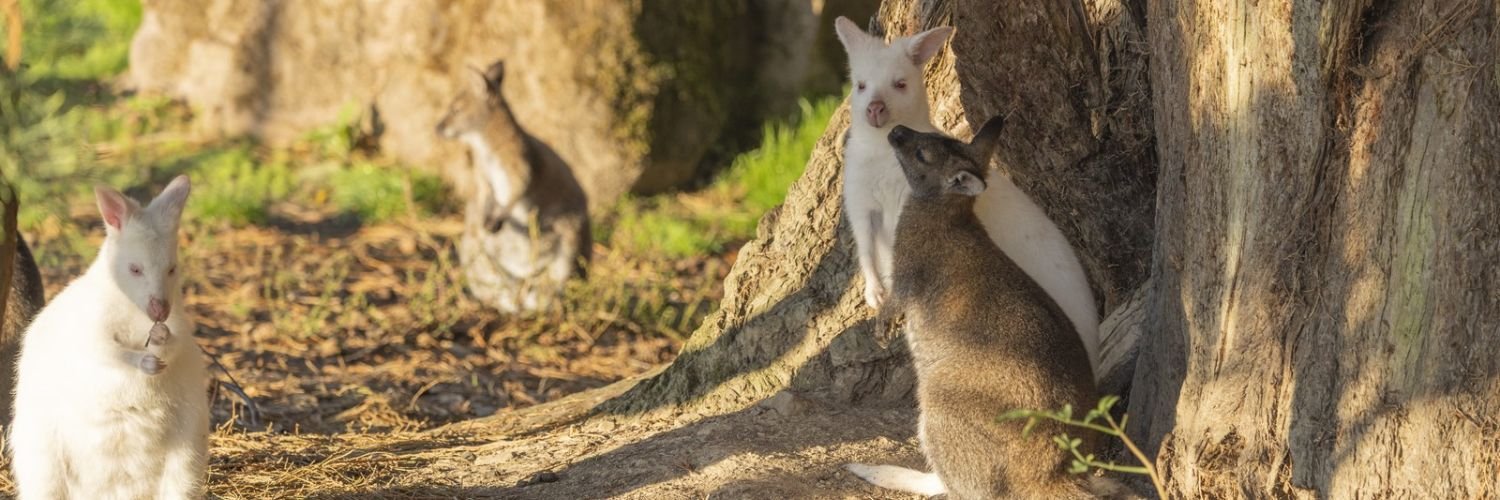
Few gardens can claim Australian wallabies among their residents, but at Leonardslee they have been part of the landscape for generations. Introduced by naturalist Sir Edmund Loder in 1889, Bennett's wallabies have made their home in the woodland ever since.
Their thick coats help them through the cooler months, and they can often be spotted grazing in sheltered clearings or moving quietly through the undergrowth.
For visitors hoping to see them up close, the daily feeding takes place from 12:00 to 12:15, offering an opportunity to learn more about these unusual residents and their history at the estate. Afterwards, stop by the maternity enclosure for a chance to see the young joeys.
The Deer Park Comes Alive
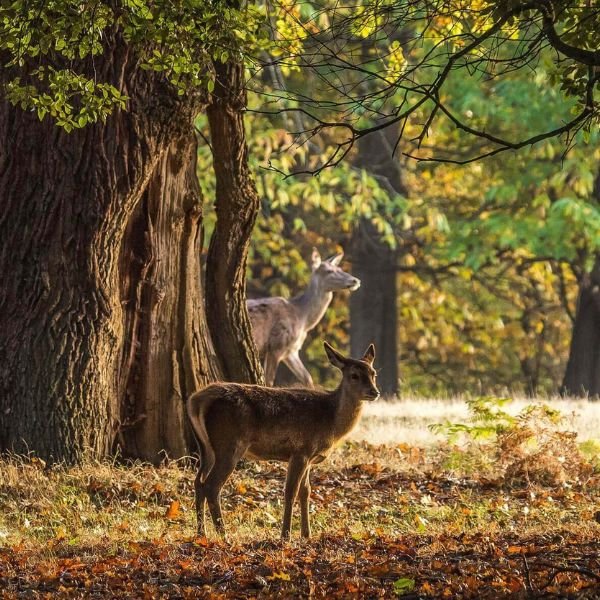
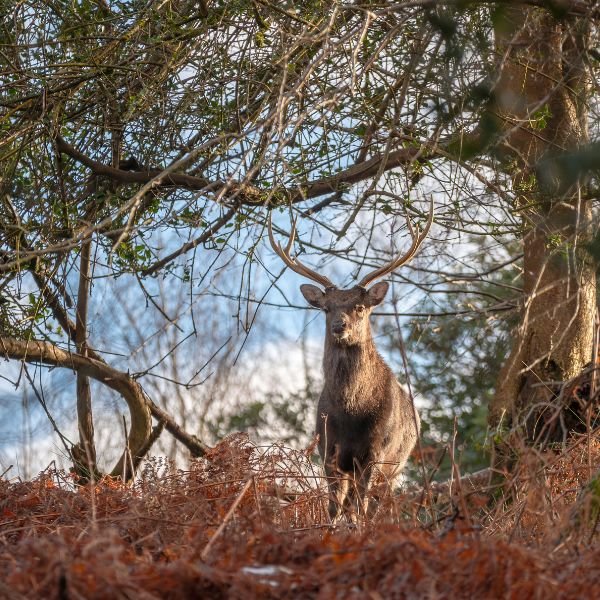
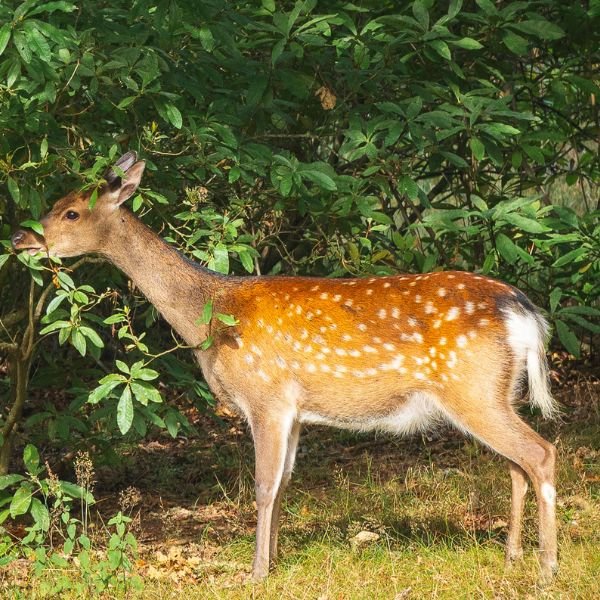
The 70-acre Deer Park is home to more than 100 free-roaming sika and fallow deer, whose presence adds another dimension to the autumn landscape.
This is also the season of the rut, when male deer compete for the attention of females. Their calls carry across the park, while displays of strength and occasional clashes make for a fascinating wildlife encounter.
The open spaces provide a wonderful setting to watch the herd, particularly on misty mornings when the deer appear between the trees. Visitors are asked to watch from a safe distance, keep dogs securely on a lead and avoid disturbing the animals.

Birdsong Through the Seasons
Although some familiar summer visitors have departed, autumn welcomes a different variety of birdlife to the gardens.
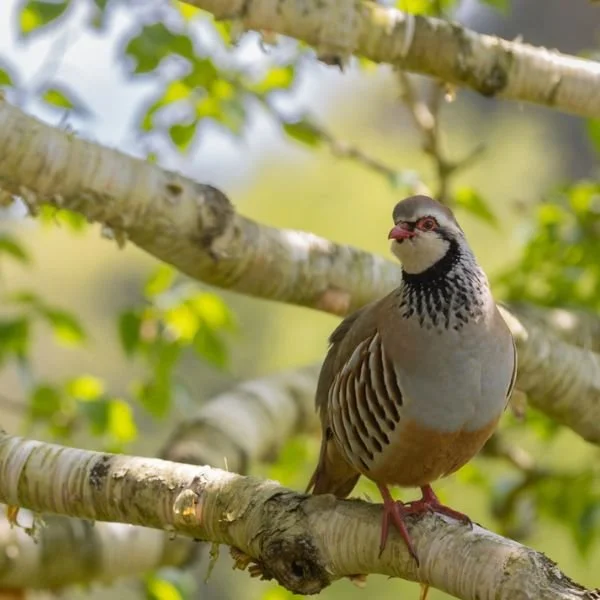
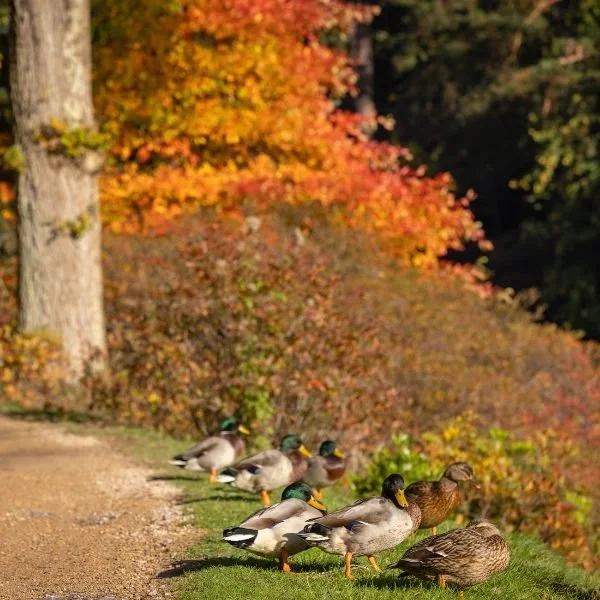
Look upwards and you may spot siskins and lesser redpolls feeding in the treetops, while fieldfares and redwings arrive from Scandinavia. Around the lakes, herons can often be seen standing patiently at the water's edge, with the occasional flash of blue revealing a passing kingfisher. Look out too for mandarin ducks on the water, and nuthatches and treecreepers working their way up the tree trunks.
Woodpeckers, robins and other resident species provide a familiar soundtrack to a woodland walk, particularly when the gardens are quieter.
The Hidden World Beneath the Leaves
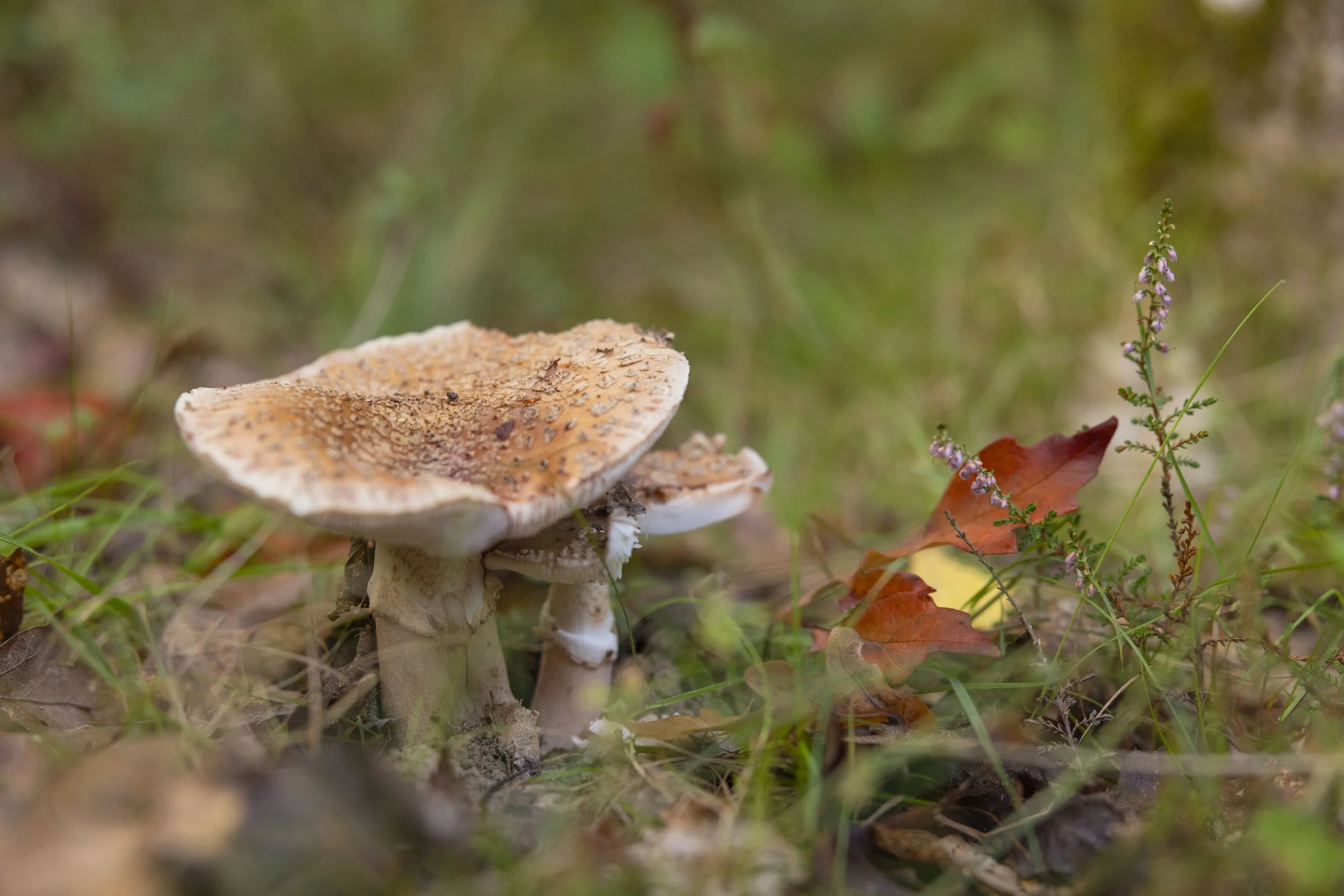
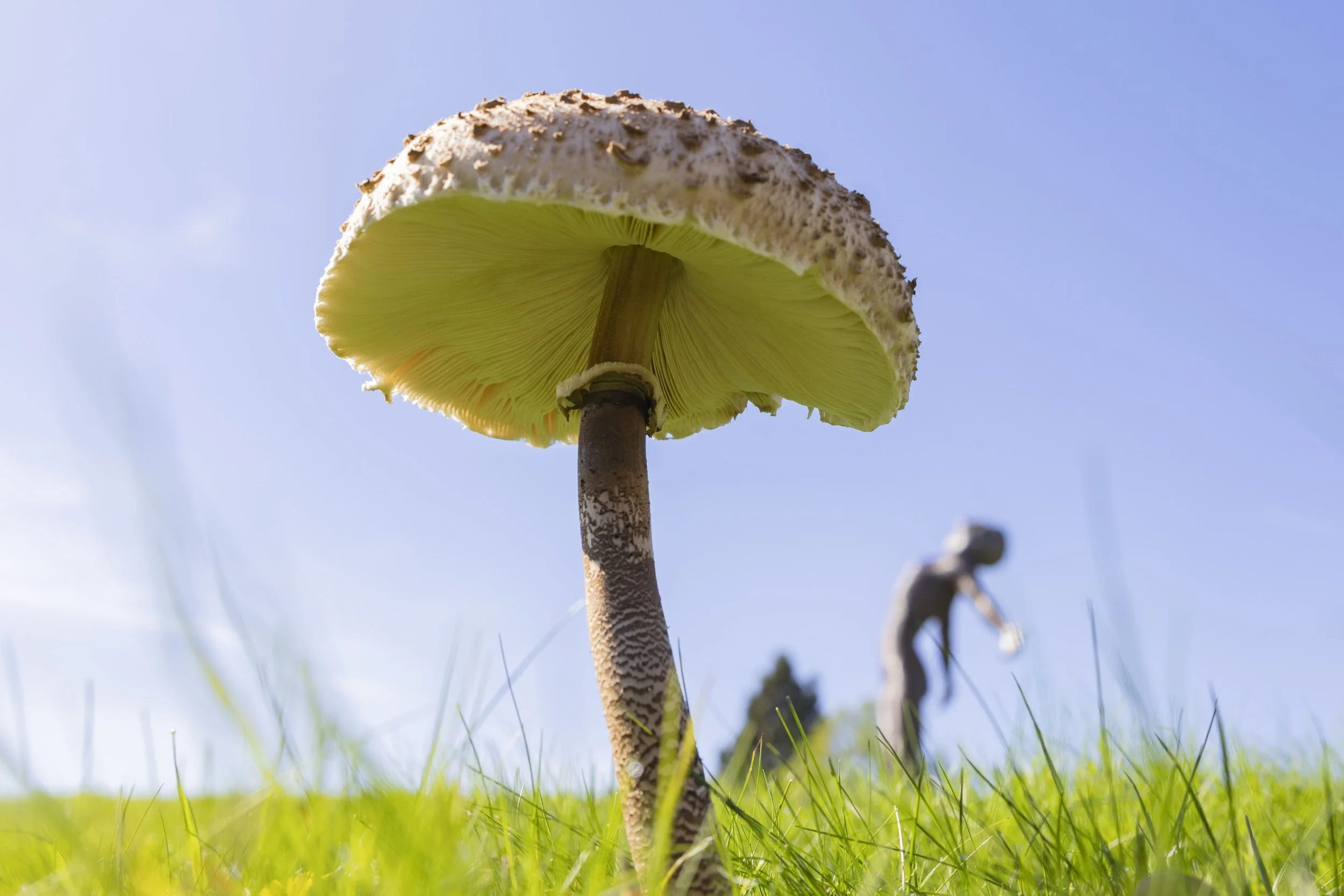
Some of autumn's most interesting details are found much closer to the ground. Damp woodland conditions encourage fungi to emerge, bringing an extraordinary variety of forms and colours to fallen branches, tree roots and leaf-covered banks.
The distinctive red and white fly agaric is perhaps the best known, while porcelain fungus has a delicate, almost translucent appearance. Cauliflower fungus and clusters of trooping funnels offer further surprises for those interested in the natural world.
Mosses and lichens also thrive across the estate, adding intricate textures to old trees and the ground. These often-overlooked organisms play an essential role in the wider ecosystem. Some fungi, including fly agaric, are poisonous, so please admire what you find without touching, picking or disturbing it.
Plan Your Autumn Wildlife Walk
The wallabies are most active around dawn and dusk, so arrive early or stay later in the afternoon for the best chance of spotting them out and about. Misty mornings are ideal for watching the deer and the wallaby feeding takes place daily from 12:00 to 12:15. Paths can be damp and leafy at this time of year, so sturdy, waterproof footwear is recommended. Please note that Leonardslee is card only and check our opening times before you set off.
