The Hidden History of Leonardslee Gardens in Autumn
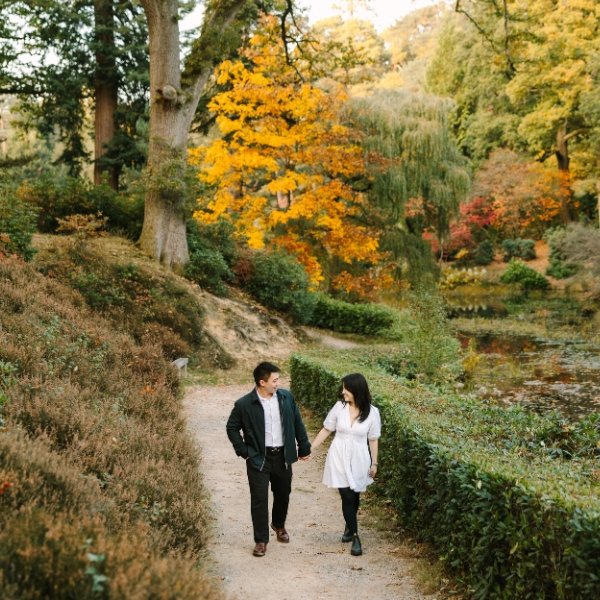
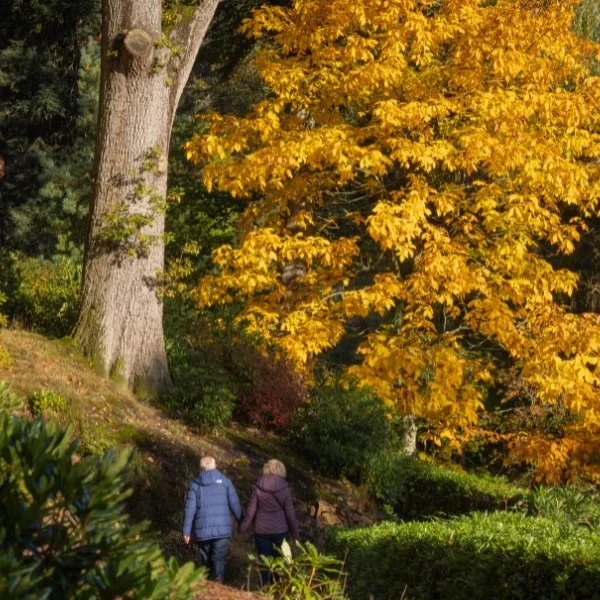
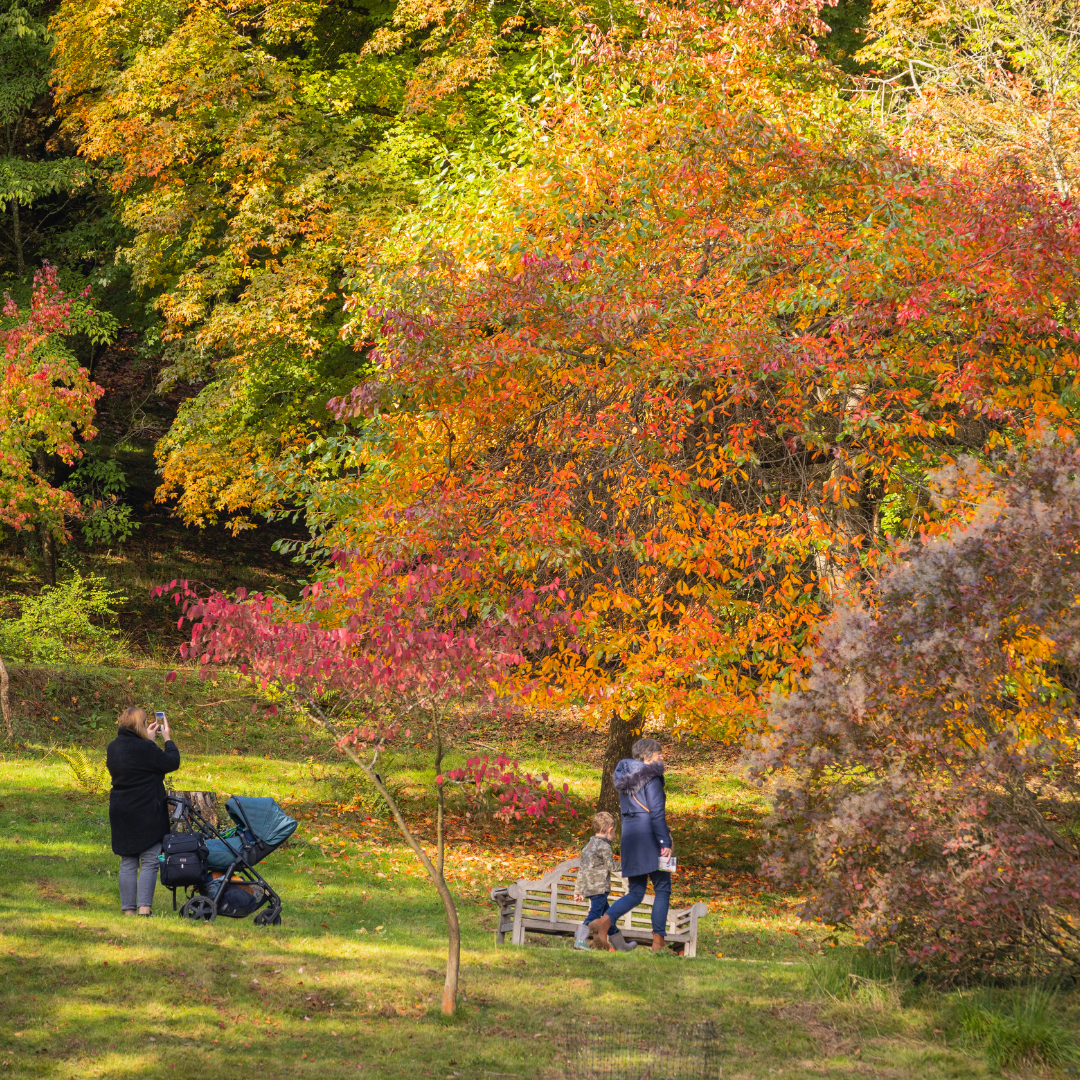
Autumn transforms Leonardslee Gardens into a landscape of rusty reds, glorious golds and vivid oranges.
Reflections deepen across the lakes, woodland paths glow with colour, and the changing foliage reveals a different side of the estate. But beneath this seasonal display lies a rich history shaped by generations of passionate gardeners, remarkable plant collections and distinctive landscape design.
From the vision of the Loder family to the intricate stonework of the Rock Garden, autumn offers the perfect opportunity to discover the stories hidden within Leonardslee’s historic landscape.
A Landscape Shaped by Generations
The story of Leonardslee’s gardens is closely connected to the Loder family, whose passion for horticulture helped establish the estate as one of England’s great gardens. Sir Edmund Loder, in particular, was an enthusiastic plant collector, introducing an extraordinary variety of trees and shrubs that continue to shape the landscape today.
His vision brought together unusual plants, natural rock formations, woodland and water, creating a garden that feels both carefully designed and wonderfully natural.
In autumn, this planting comes into its own. As flowers fade and the canopy opens, the structure of the gardens becomes more apparent, revealing sweeping valley views, mature trees and lakeside paths. The changing foliage also highlights the diversity of the estate’s collection, offering a glimpse into the ambitions of the generations who shaped it.
The Rock Garden and Its Remarkable Stonework
One of Leonardslee’s most distinctive features is the Rock Garden, where dramatic stone formations sit among delicate planting and established trees.
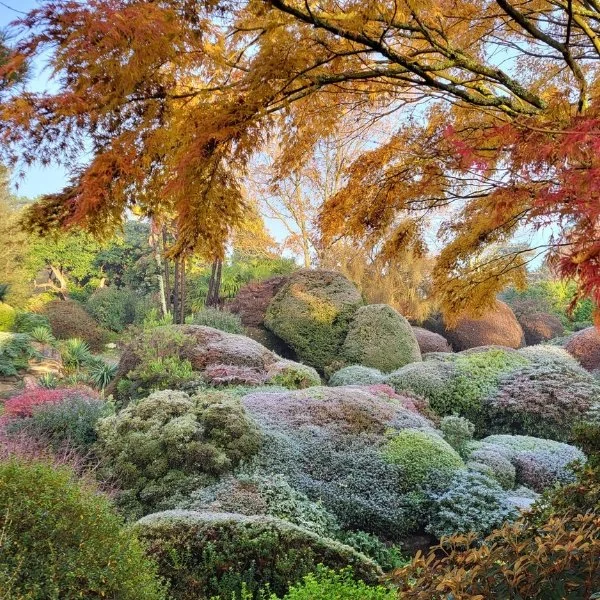
The garden’s remarkable rockwork was created by James Pulham and Son, renowned Victorian and Edwardian landscape specialists whose artificial rockwork can be found in gardens across Britain. Designed to blend with the surroundings, their craftsmanship creates rugged rock faces and ledges that feel entirely at home within the landscape.
Pulham & Son also created rock structures in the estate’s animal enclosures towards the end of the nineteenth century. These were designed to resemble a mountainside for Sir Edmund Loder’s mountain goats, reflecting his fascination with exotic animals as well as plants.
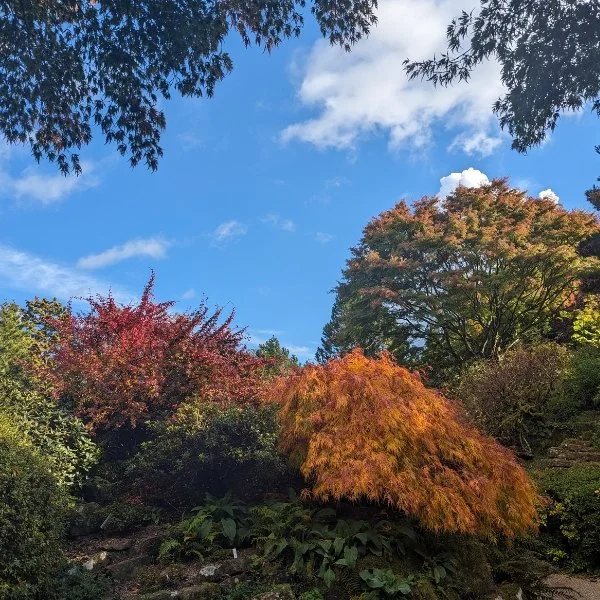
Today, the Rock Garden is particularly beautiful in autumn, when its stonework provides a striking backdrop for the estate’s Japanese maples.
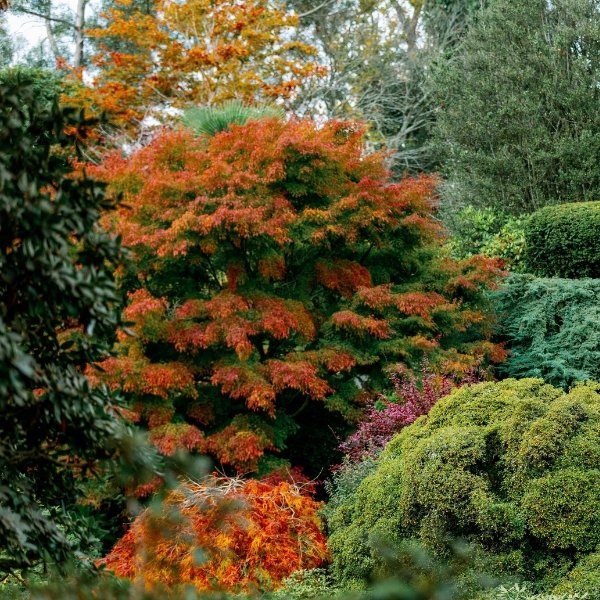
Look out for Acer palmatum ‘Seiryu’, a British and Irish Champion tree, whose finely divided leaves create a spectacular display of red, orange and yellow. Nearby, Acer japonicum ‘Aconitifolium’, wonderfully known as the Full Moon Maple, produces brilliant scarlet and carmine foliage, often tinged with purple.
Following the Acer Walk
Maples, commonly known as acers, are among Leonardslee’s most spectacular autumn features. On the eastern side of the gardens, Acer Walk is home to a diverse collection planted by Robin Loder, Sir Edmund’s great-grandson, in 1999.
The collection includes species from around the world, alongside unusual cultivars that offer interest throughout the year. As autumn arrives, summer greens and purples give way to copper, crimson and gold.
The deep purple foliage of Acer platanoides ‘Crimson King’ develops reddish-orange tones, while Acer palmatum ‘Sherwood Flame’ turns a striking crimson. Look a little closer and you will discover another layer of interest in the trees’ colourful, patterned bark. Acer davidii ‘Serpentine’, named for its distinctive snake-like bark, is a particularly unusual example.
Beyond their beauty, these trees provide valuable habitats for wildlife, offering food and shelter for birds, insects and caterpillars. Even as the gardens prepare for winter, they remain full of life.
Oak Walk and the Changing Landscape
Running parallel to Acer Walk, higher up the slope, Oak Walk offers another perspective on Leonardslee’s botanical diversity.
Planted around the turn of the century alongside the acers, the collection contains hundreds of oak species, hybrids and cultivars, including varieties rarely seen in cultivation in the UK. Mature English oaks stand alongside striking monkey puzzle trees, native to Chile, creating an unexpected contrast within the woodland.
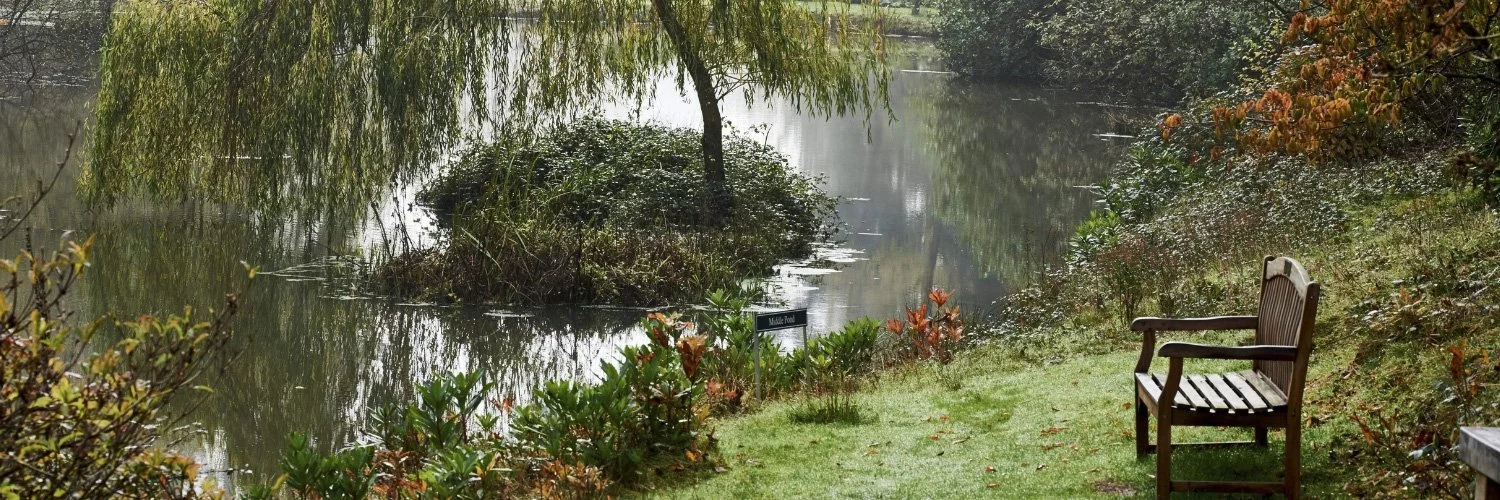
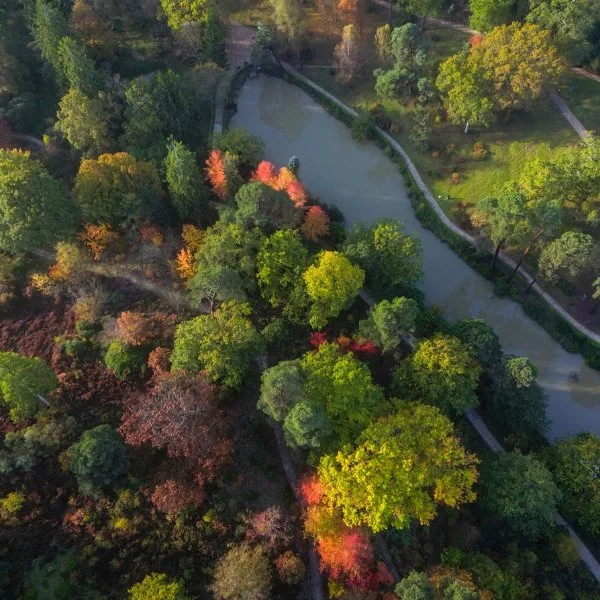
Autumn reveals the scale and complexity of this planting. As the canopy thins, new views emerge through the trees and across the valley, while the lakes reflect the surrounding foliage.
At Bluebell Bank, the delicate blue flowers of spring have given way to a spectacular display of autumn colour. Golden Acer x zoeschense, vibrant Acer buergerianum and other remarkable trees create a tapestry of reds, oranges and yellows overlooking the lakes.
These changing scenes demonstrate how the gardens were designed to offer something different with every season.