Local Stories, National Growth: Why Group Visits Matter at Leonardslee
English Tourism Week, 13-22 March celebrates the role tourism plays in supporting communities across the country. At Leonardslee Lakes & Gardens in West Sussex, group travel is a vital part of that story.
As one of the county’s most significant historic gardens, Leonardslee provides year-round employment across horticulture, hospitality, visitor services, events and estate management. Group visits help sustain these roles outside of peak holiday periods, offering valuable stability for local teams and allowing specialist skills, from plant conservation to heritage maintenance, to be retained on site.
Groups also play an important role in supporting the wider Sussex economy. Coach parties regularly combine a visit to Leonardslee with local hotels, restaurants, vineyards, market towns and other attractions, helping to spread tourism spend across the region and support independent businesses throughout the year.
Income generated through group admissions contributes directly to the conservation of Leonardslee’s Grade I Listed landscape, historic lakes and structures, and nationally important plant collections introduced by Sir Edmund Loder over a century ago. These gardens are not simply a visitor attraction but a living heritage site, requiring continuous specialist care and long-term investment.
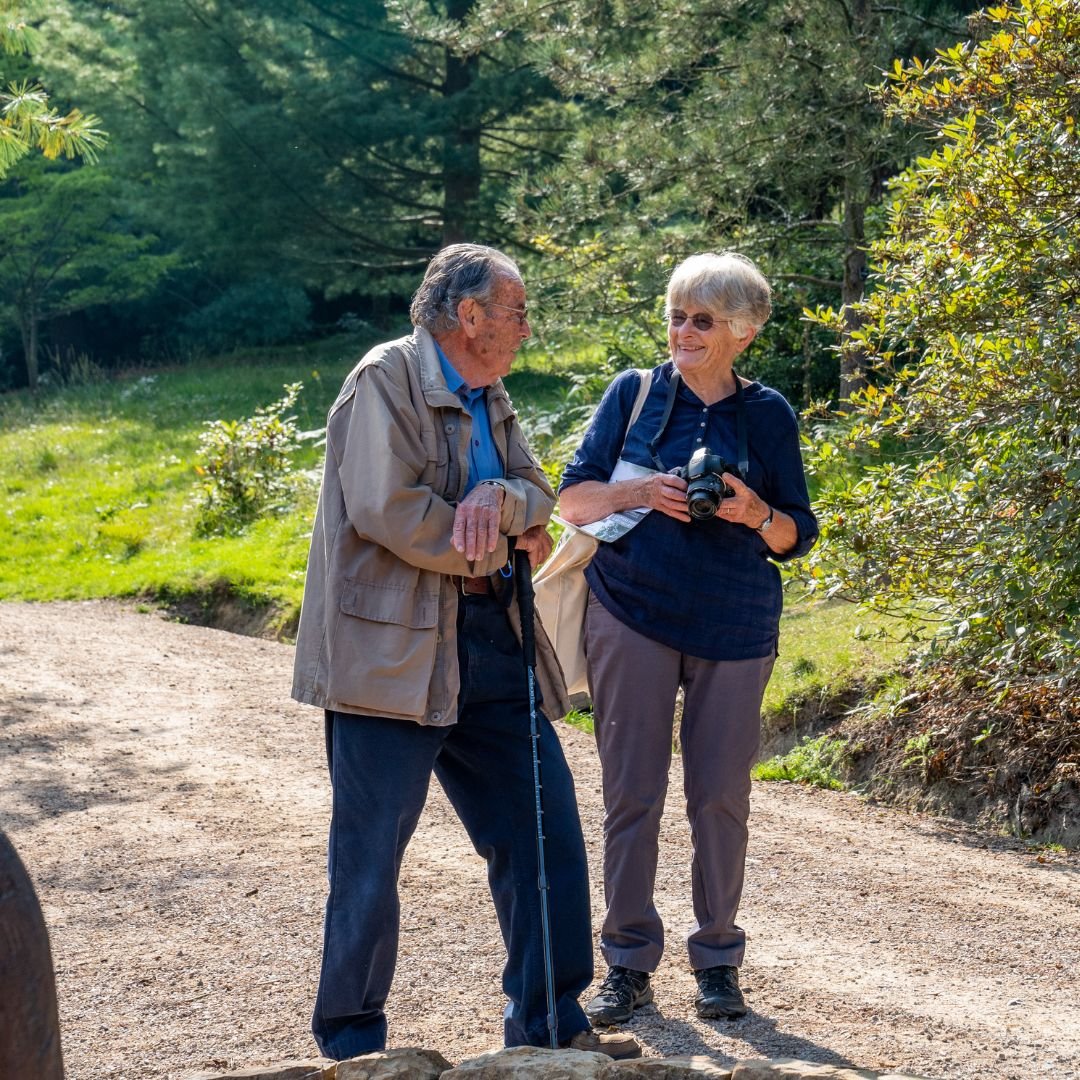
Leonardslee is well equipped to welcome groups of all sizes, offering:
Dedicated group rates
Pre-booked entry and timed arrivals
Coach parking close to the entrance
On-site dining options
Accessible routes and assistance where required
Optional guided tours and seasonal highlights
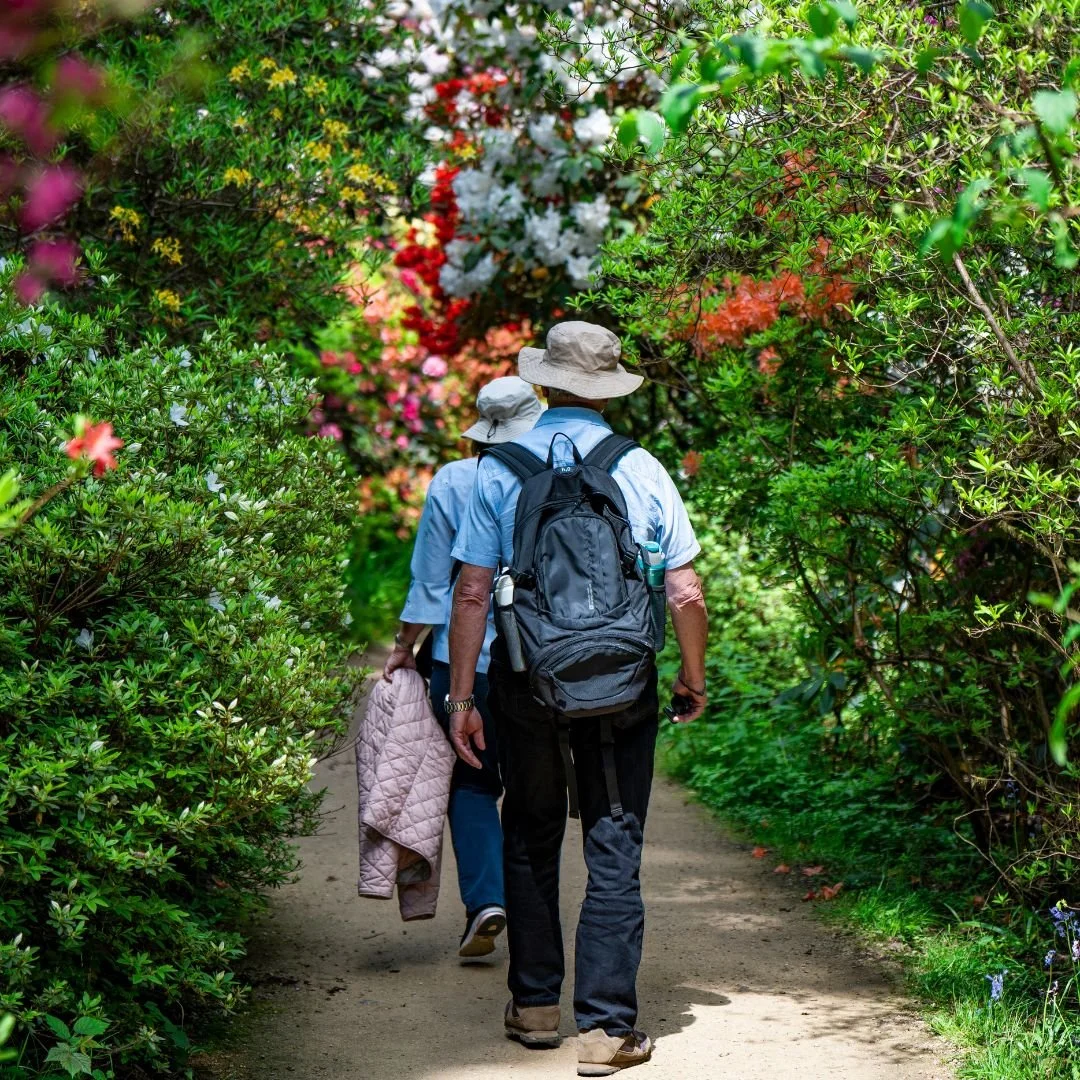
By choosing Leonardslee, group organisers are not only offering their guests a memorable garden experience, but also supporting local employment, conservation and sustainable tourism in Sussex.
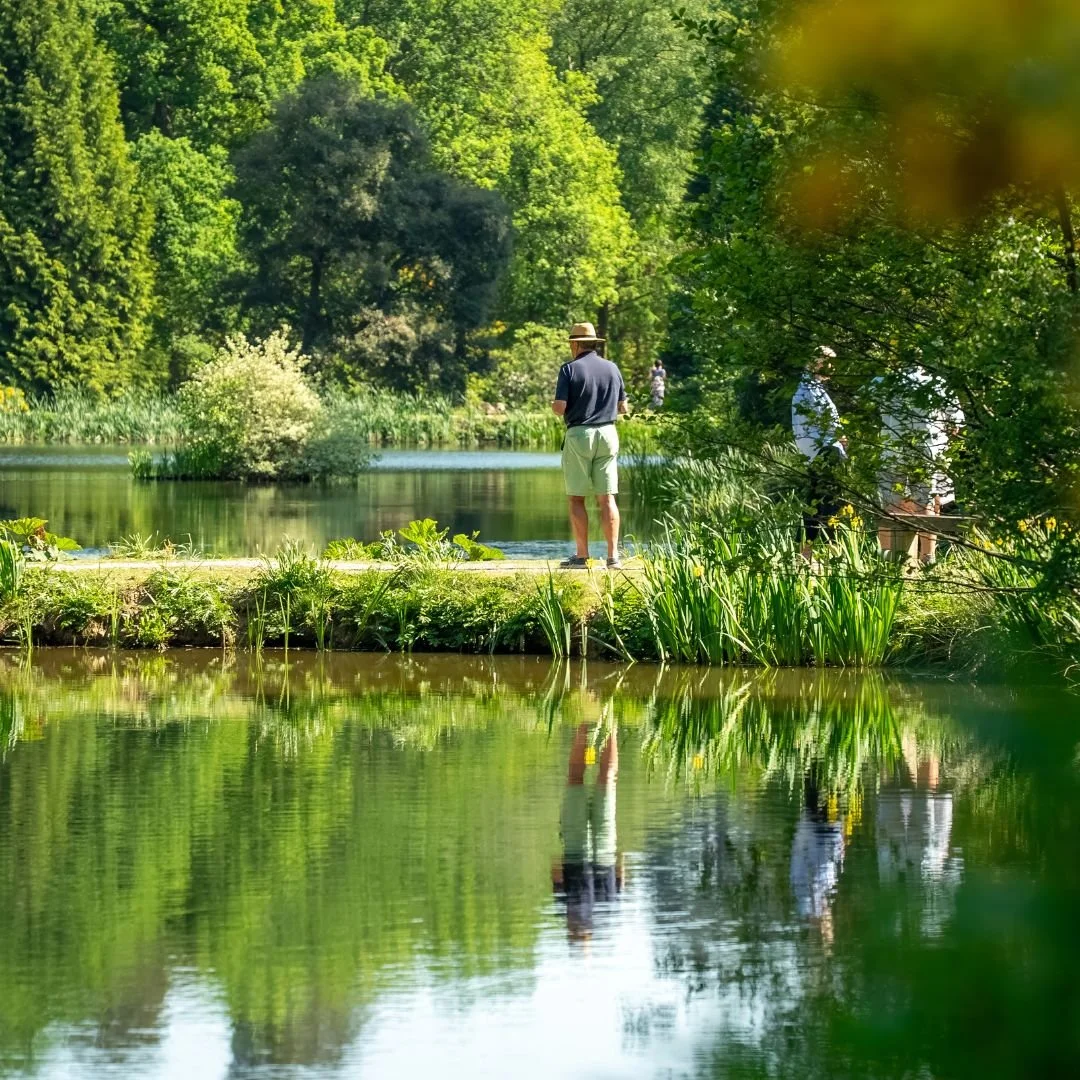
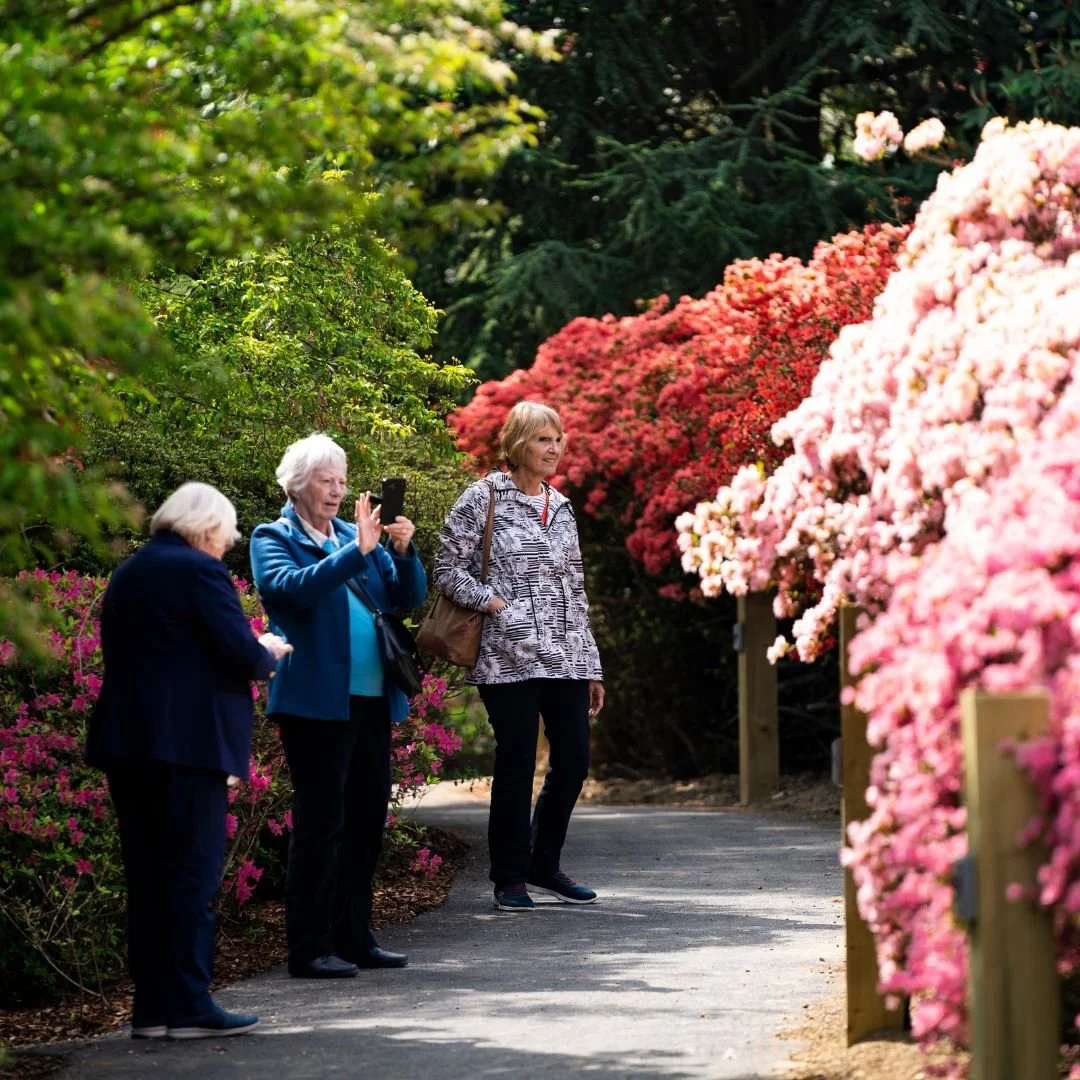
Group bookings are welcomed throughout the year, with seasonal interest ranging from spring flowering collections and summer lakeside walks to autumn colour and winter events.