Garden News | September 2026
September often signals the start of the transition from summer to autumn, probably my favourite season.
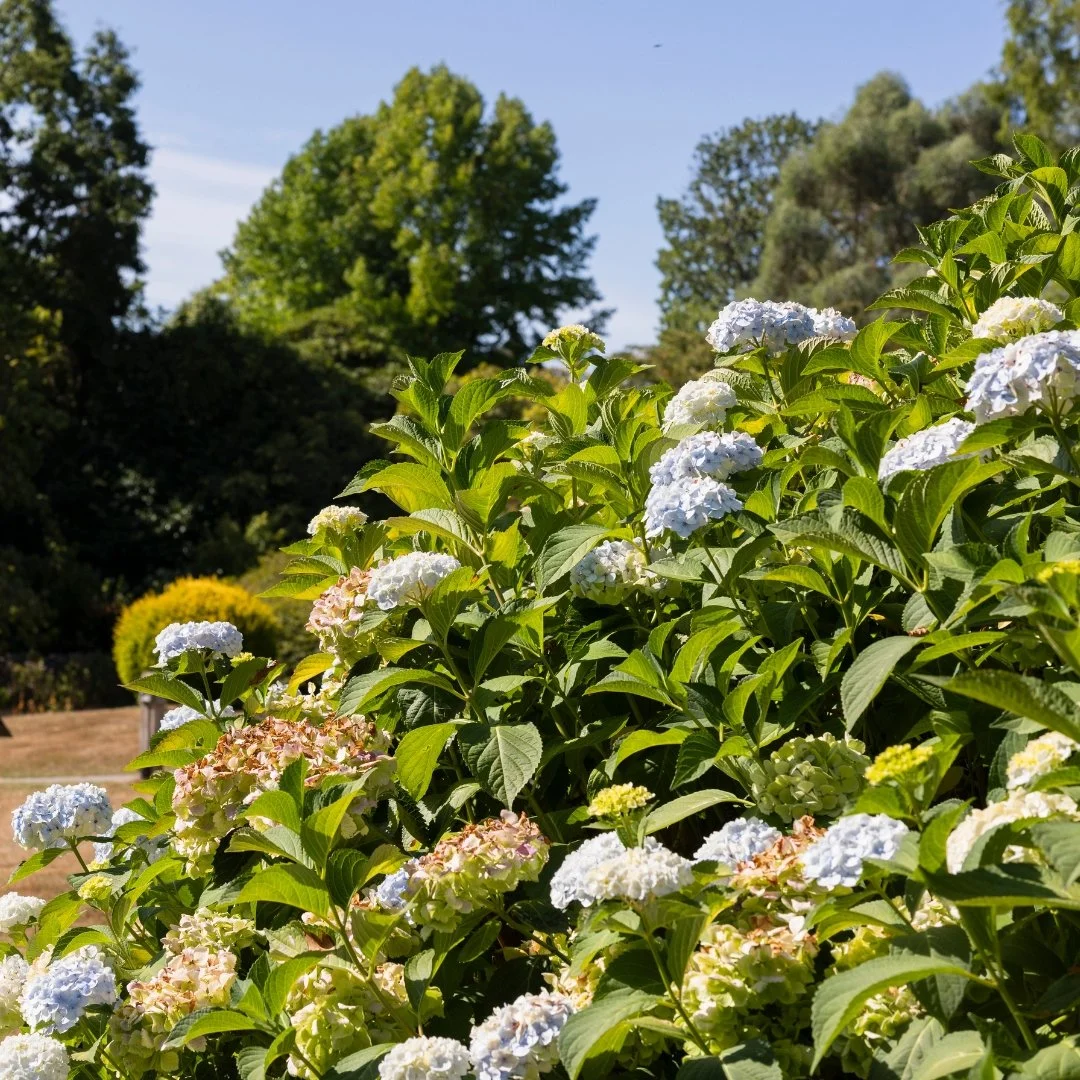
This year I’ll be especially pleased to welcome this change, particularly if it means the intense heat and lack of rainfall will be coming to an end. It’s obviously been an incredibly hot summer for much of the country, particularly for those of us here in the South East and at the time of writing it has been what is by all accounts the hottest UK summer on record. You’ll have noticed that the lawns and fields around the estate have been yellow for some time but these will soon bounce back once the autumn and winter rains start to fall again. The extreme weather has meant that the garden team have had to do much more in the way of irrigation elsewhere though, using every option available to us, from hoses to towed water bowsers to hundreds of trips with watering cans. Despite all this effort we have lost many plants this from the garden this year. Dozens of newly planted rhododendrons didn’t survive, for example and we even lost several established ones including some from our historic National Collection. We have been busy propagating from a number of these shrubs however, and we will hopefully be able to replace the losses over time but we are starting to rethink the type of plants we put in the garden in future. The Hydrangeas have also struggled this year and we’re waiting to see how many have survived but either way we might have to move some of them to shadier spots and certainly think twice about planting any new specimens. We all knew climate change was in progress and that the gardens of the UK might start to look very different over the coming decades but we didn’t really think we would be making these sorts of decisions quite so soon. I’ll let you know what decisions we make and what changes you might see in the garden in future news updates.
Signs of Autumn
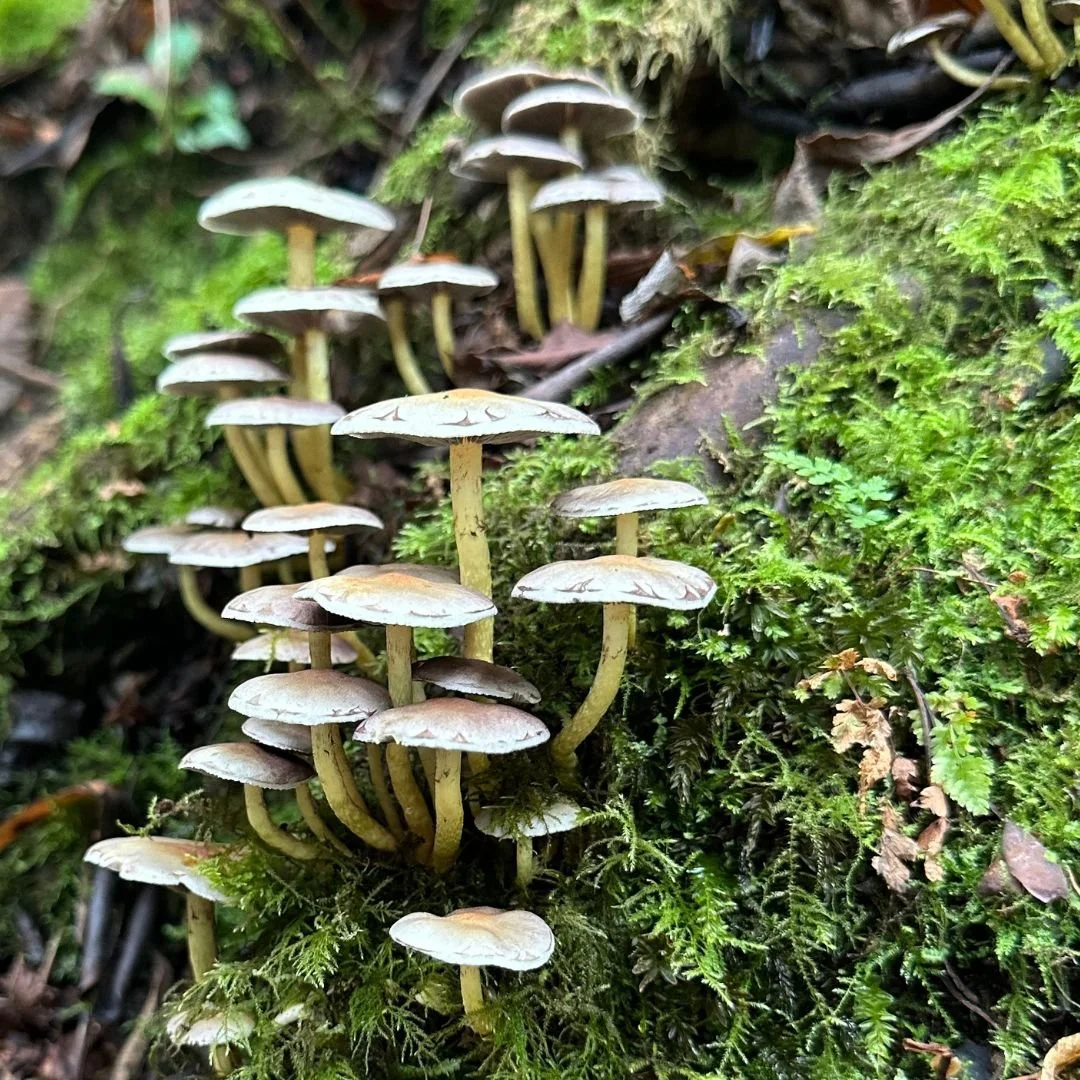
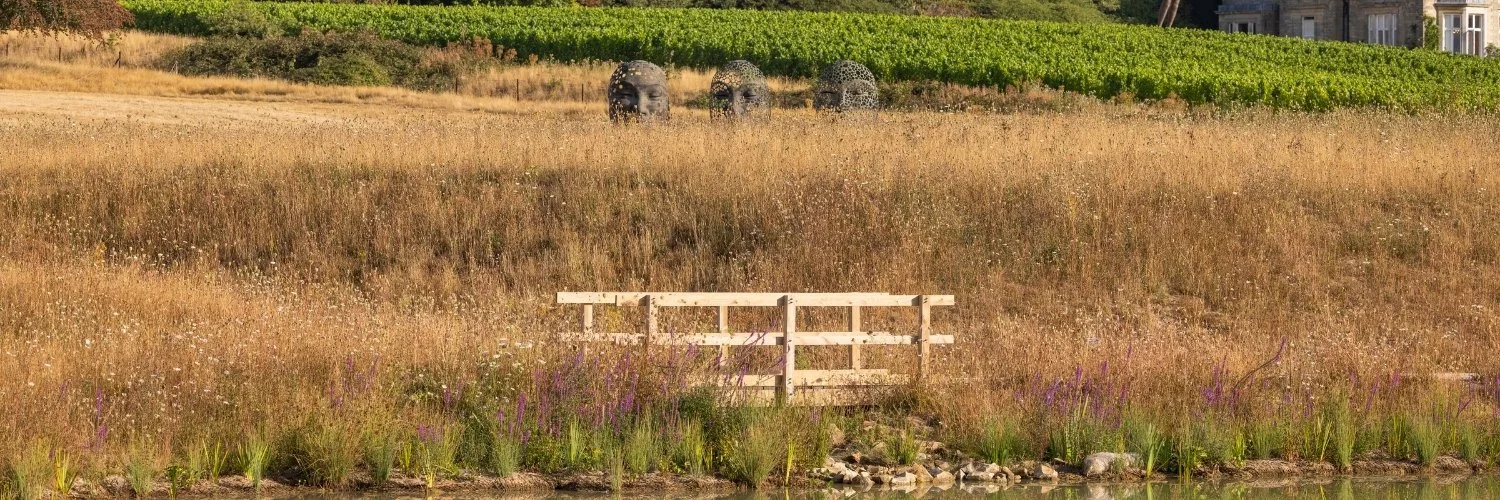
Another result of the summer weather this year has been some initial signs of autumn showing their heads as early as August even. We’ve seen flushes of red foliage on a few Nyssa branches, blackberries fruiting much earlier than normal and even large examples of fungi and fungal fruiting bodies across the garden too. In the meantime, there is still plenty of seasonal floral interest to enjoy on your next visit until we start to think about entering ‘proper’ autumn. Read on for more details…
Late-Summer Colour
Often, the late summer floral interest is more rewarding than that of the height of the season, maybe because it catches the eye more readily and because you don’t necessarily expect to see as much. The Herbaceous Beds opposite Leonardslee House for instance will still have plenty of late season colour, including Salvias such as ‘Amistad’ and ‘Black & Blue’ flowering until the first frosts (especially if we keep deadheading them), Sedum (Ice Plant), Eupatorium maculatum ‘Atropurpureum’ (Agrimony) and the striking heads of Eryngium agarvifolium (Agarve-leaved Sea Holly) and Eryngium pandanifolium ‘Magical Red Thunder’ which are still buzzing with bees on a warm days and speaking of deadheading, make sure you keep on top of this simple job at home. Plants such as Penstemon, Salvia, roses, delphiniums, asters and Echinacea for example can all be deadheaded by removing spent blooms to just above a leaf node below the flower. This will look not only look tidier but also encourage the plant to keep flowering because by removing this spent head you remove the hormone that inhibits further flowering that is sent down the stem. Once the plant realises it isn’t going to be able to propagate itself by seed, it will desperately try and make new flowers instead.
Around Leonardslee House there will also be a huge range of late summer colour in the form of purple-leaved and orange-flowered Canna plants, the exotic Ricinus communis (Castor Oil Plant) and also the impressive Ensete ventricosum ‘Maurellii’, the Red Abyssinian Banana, for example. The west side of the house has a different planting scheme due to the shadier aspect here. Full of amazing foliage textures and shades, one plant I’m really looking forward to seeing flowering again here is Kirengeshoma palmata or Yellow Wax Bell, that was only planted quite recently. Not often seen in many gardens, make sure you keep an eye out for the profusion of their primrose blooms.
The New Exotic Bed
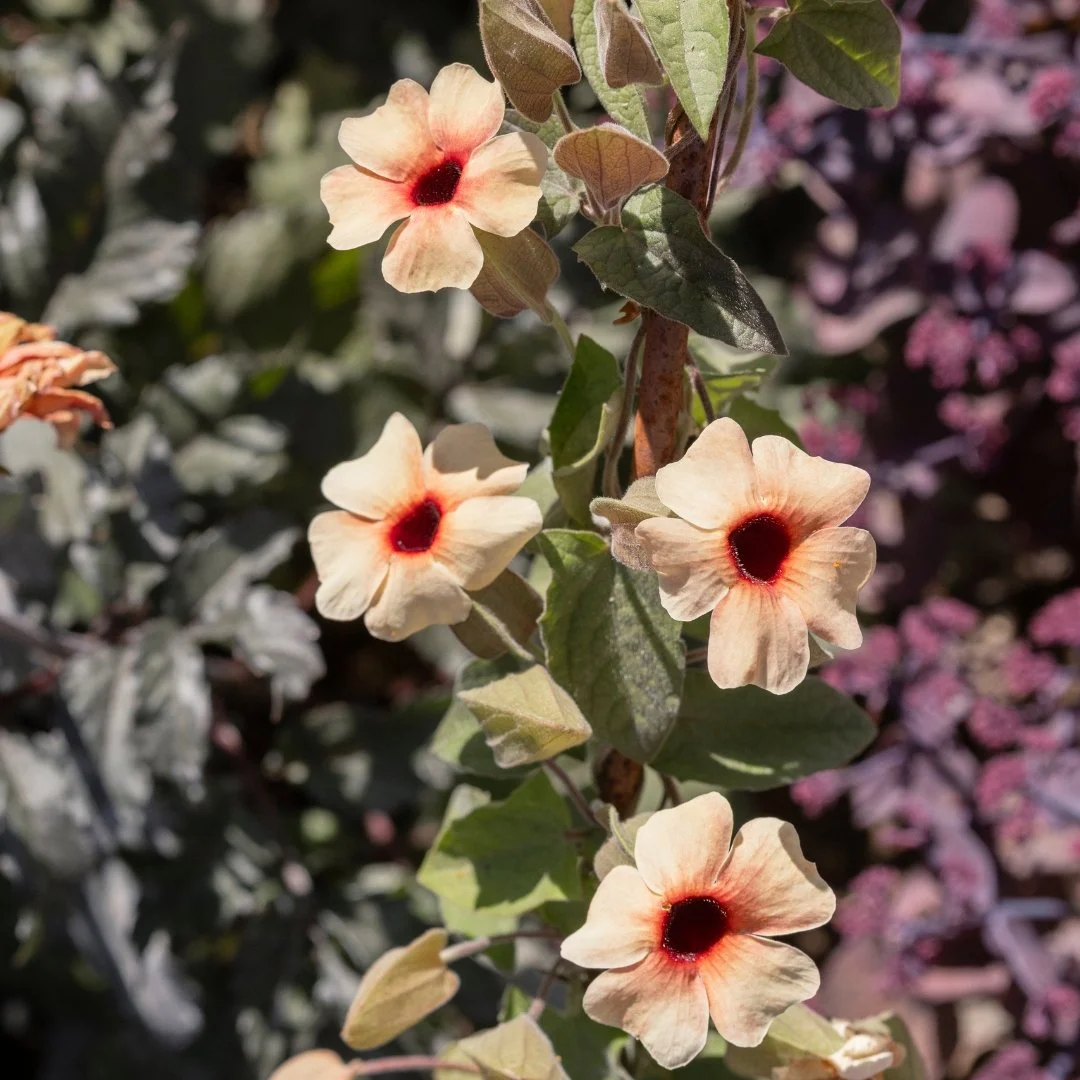
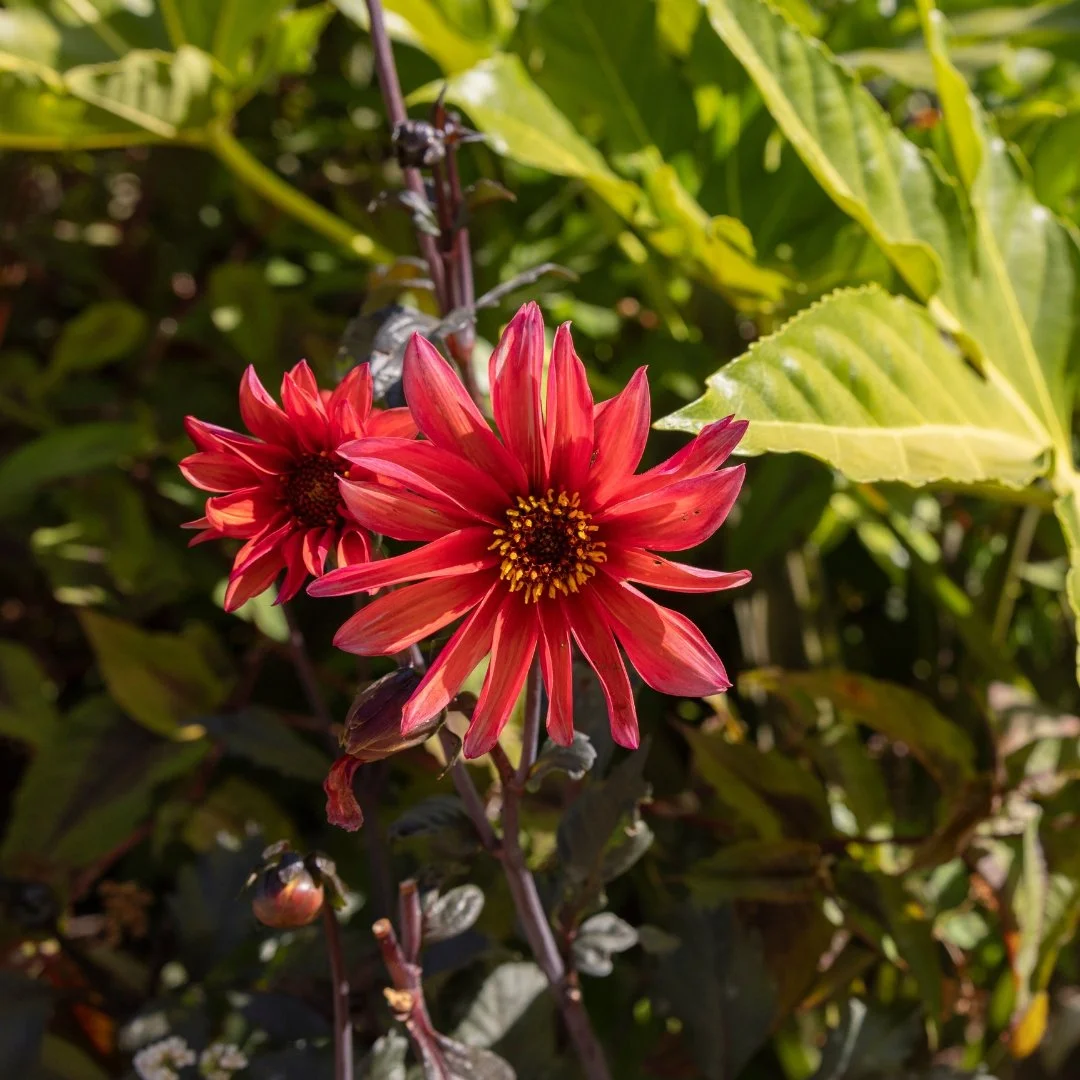
Perhaps our most vibrant planting scheme at the moment can be found next to the Studio event space. We’re calling it the New Exotic Bed and it’s filled with bright shades of yellow, red and orange. Initially created to house some of the larger plants we moved out of our old glass visitor entrance when it was turned into the new shop, some of the highlights here include an old, large Chamaerops humilis (Mediterranean Fan Palm), Yucca, Fatsia japonica and Tetrapanax ‘Rex’, as well as towering Musa (banana palms) – all chosen for their interesting foliage. We’ve also added colour using Dahlias ‘Waltzing Mathilda’ and ‘Black Jack’ to give a long season of flowering and a range of annuals grown from seed, including Helichrysum (straw flowers) and Tithonia ‘Torch’ (Mexican sunflower).
Early Autumn Interest
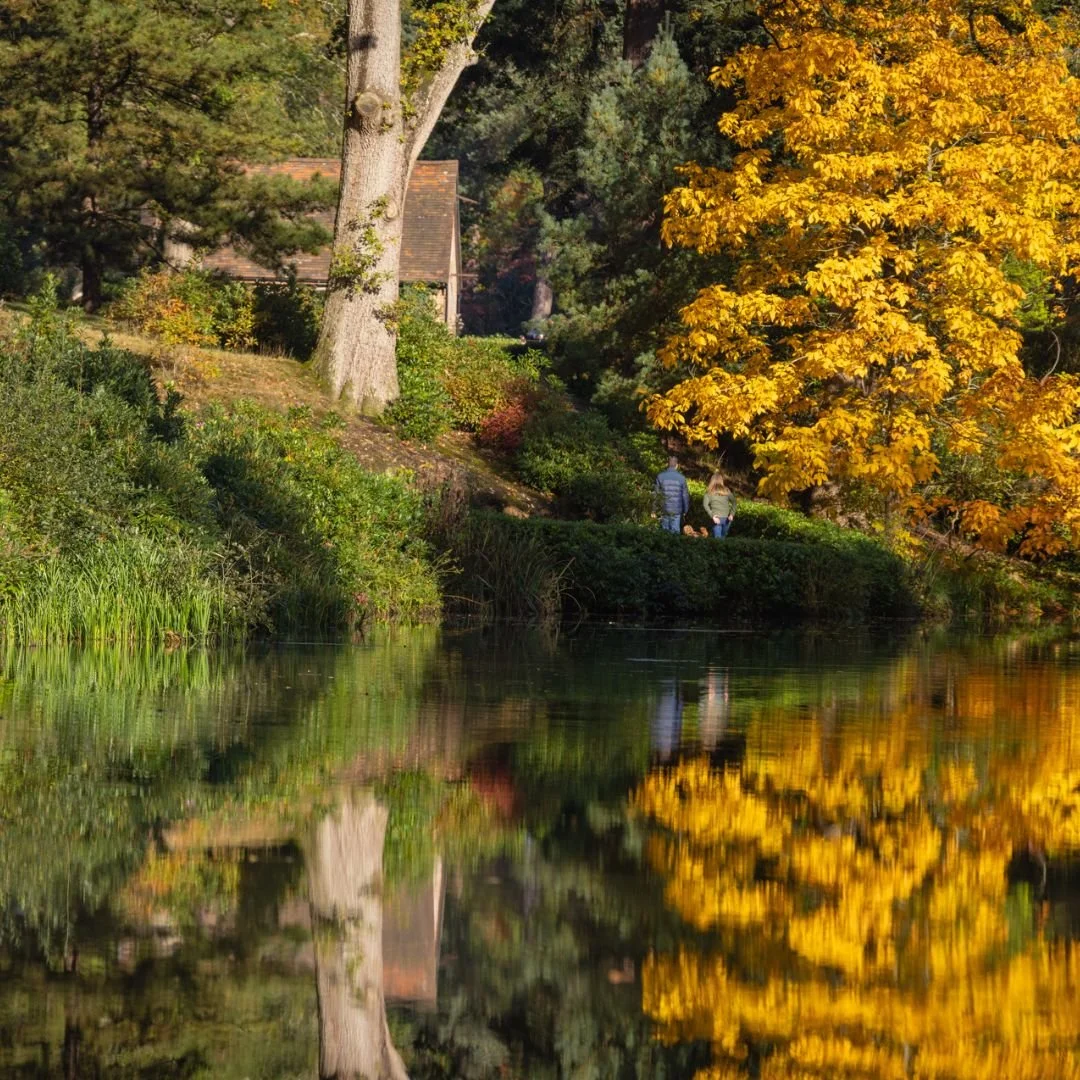
Although I mentioned earlier that there are some early signs of autumn interest, there are Acers in the garden such as the cut-leaved aconitifolium or Acer palmatum ‘Seiryu’ which can be counted on to colour up in September in any year. Both can be found in the Rock Garden for instance, where you’ll also be able to enjoy the Katsura Tree (Cercidiphyllum japonicum) start its seasonal turn to shades of yellow and orange and release its toffee apple smell as the lack of rain means it will already be dropping its leaves, which in turn give off the heady scents as they senesce. In the same area, Rhododendron ‘Yellow Hammer’ often gives a second floral flush in early Autumn to look out for that towards the end of the month too.
Wildlife Around the Lakes
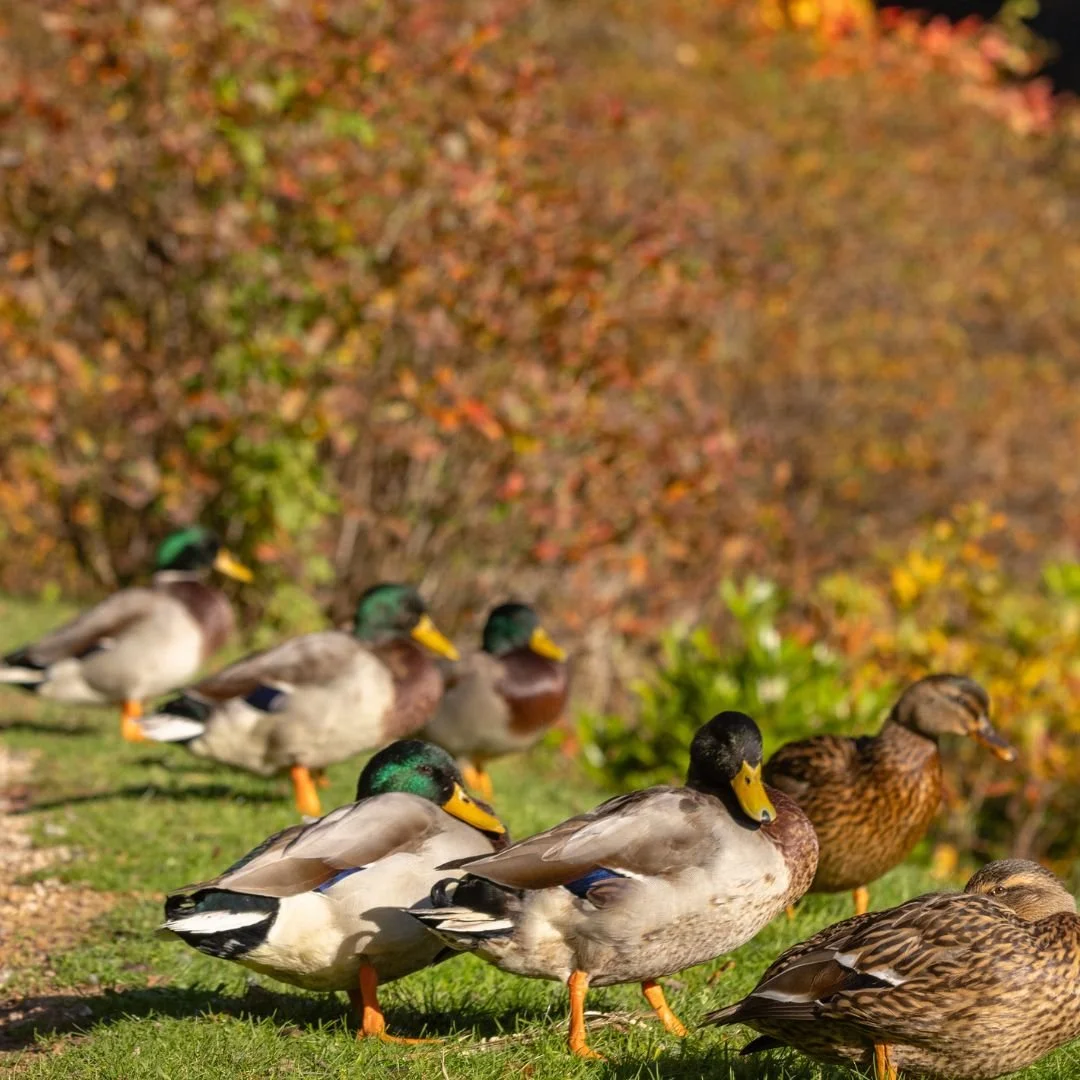
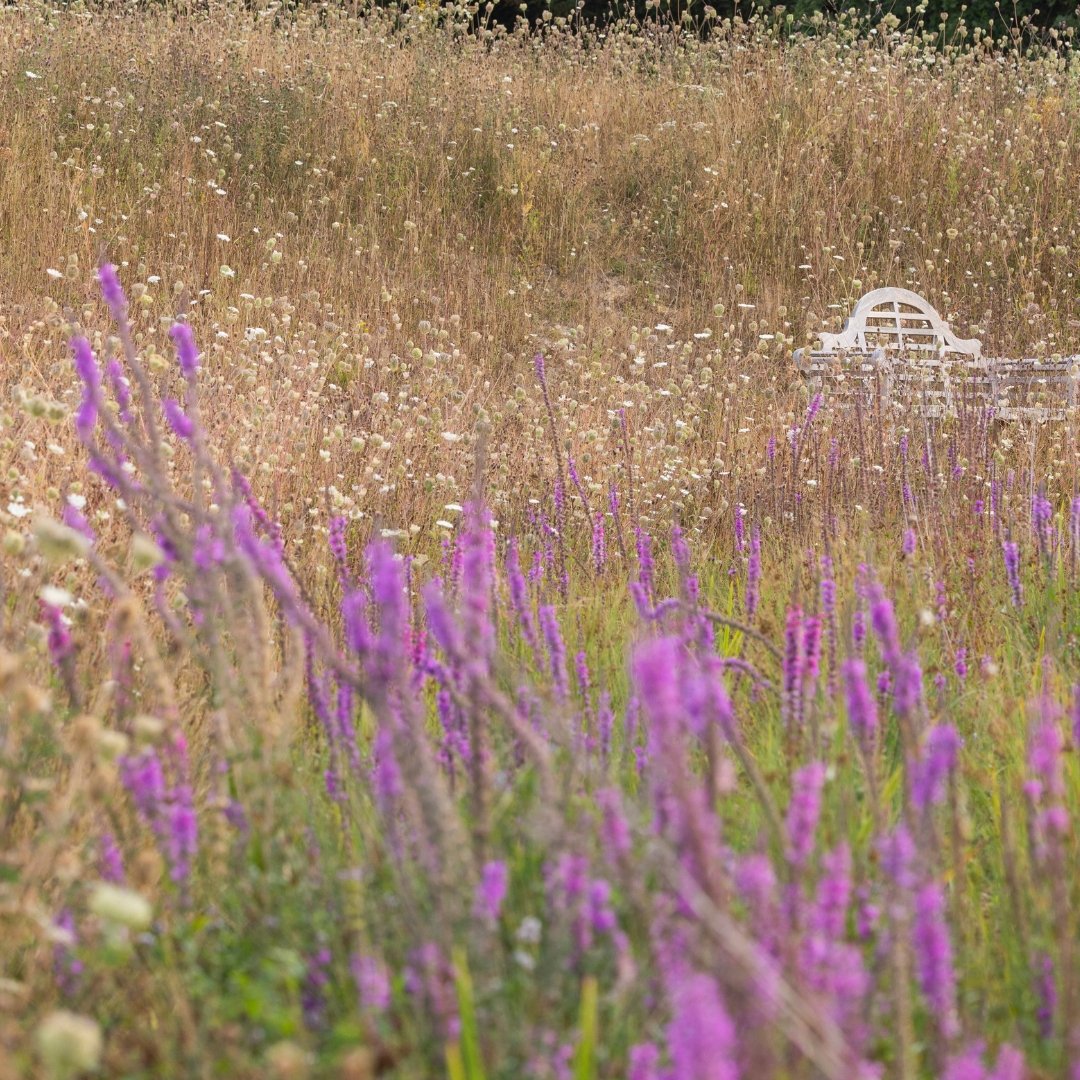
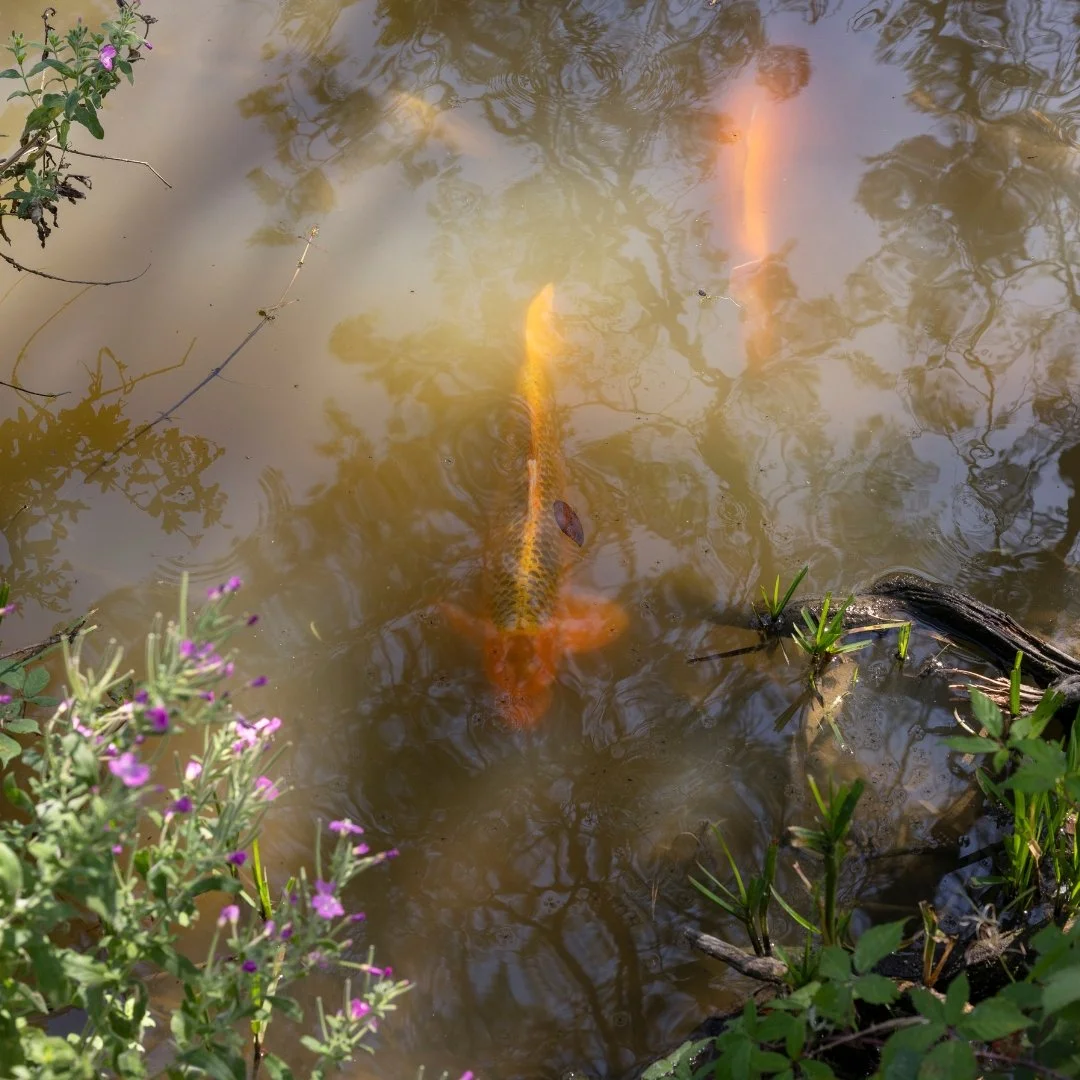
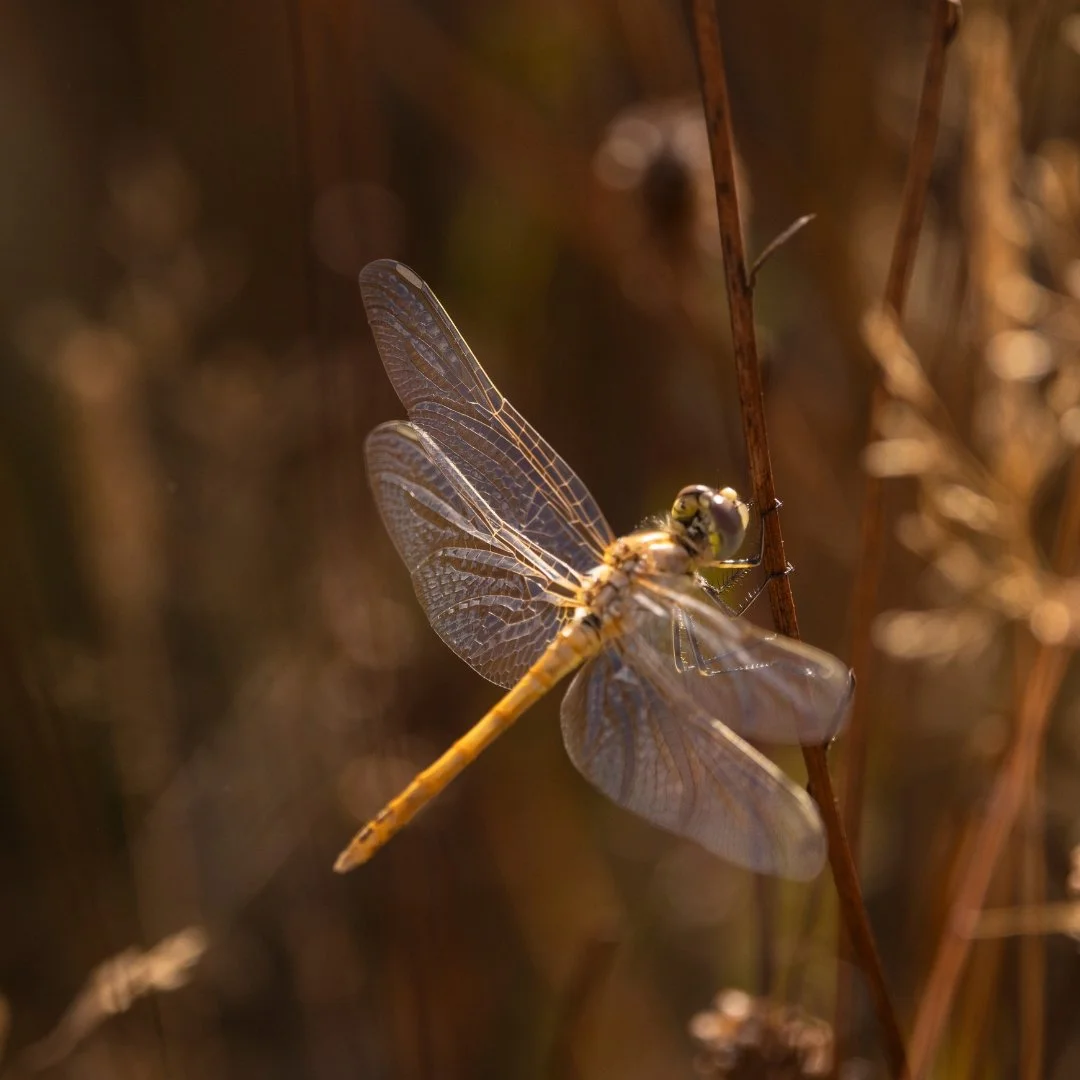
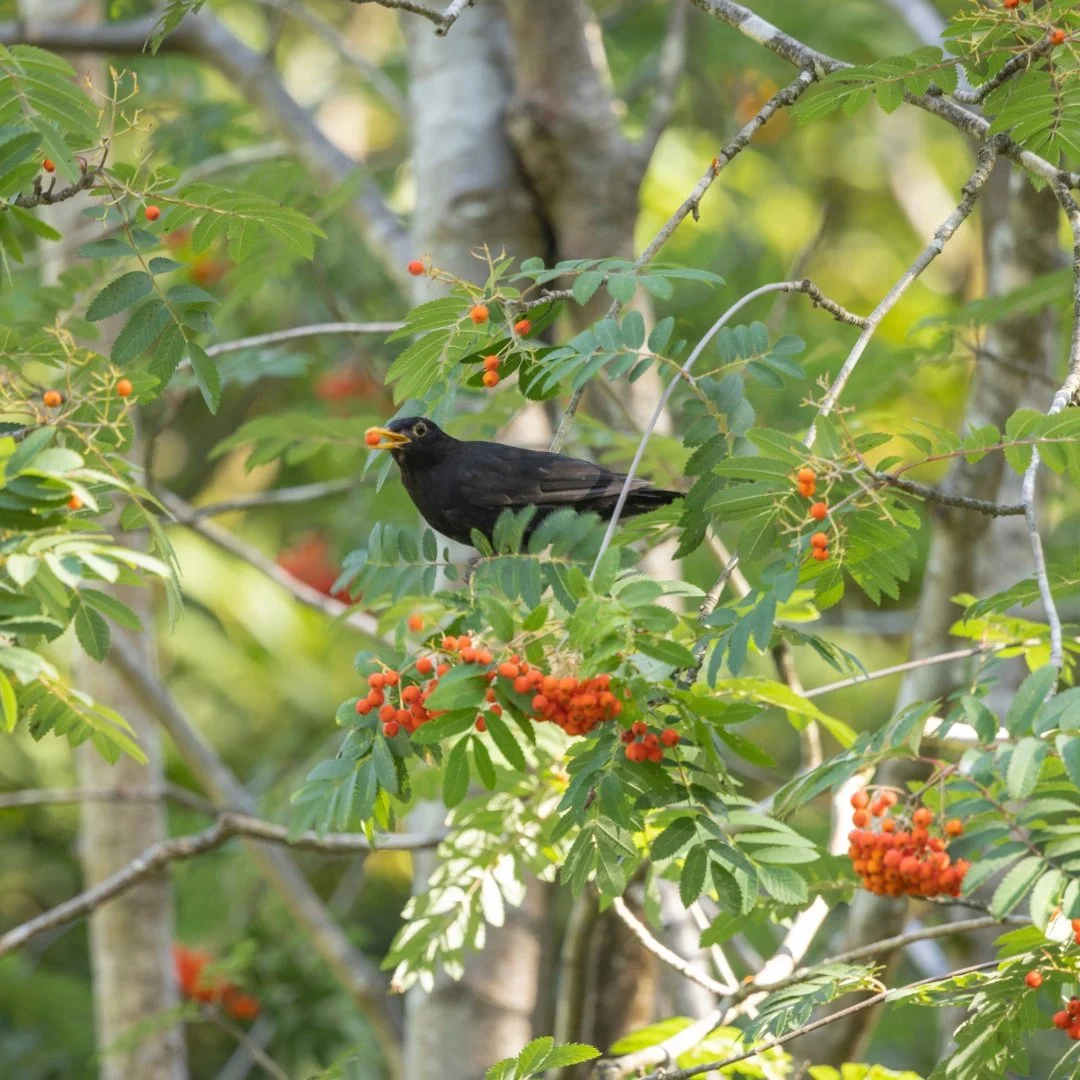
Around the lakes there will be lots of late summer wildlife still busying away. Common Darter dragonflies and Willow Emerald damselflies are both very active in September for instance. There will still be plenty of wildflowers to spot around the estate this month, including carpets of stunning mauve Devil’s Bit Scabious (Succisa pratensis) and various types of Goldenrod (Solidago sp.) for example.
A Year of Growth
Earlier this year we were judged as part of the ‘South & South East In Bloom’ awards as part of the Heritage Garden category and the Environmental Challenge category, where we highlighted all of the environmental ‘green’ initiatives that we have implemented in the garden here. Despite the fact that we weren’t in our feature spring bloom period at the time of judging, we’re hopeful that we can build on the Gold Medal we were given in our first year of entering last year. I’ve been invited to attend the 2026 awards ceremony towards the end of the month so I’ll let you know how we get on in next month’s newsletter. Fingers crossed!
Autumn in the Garden
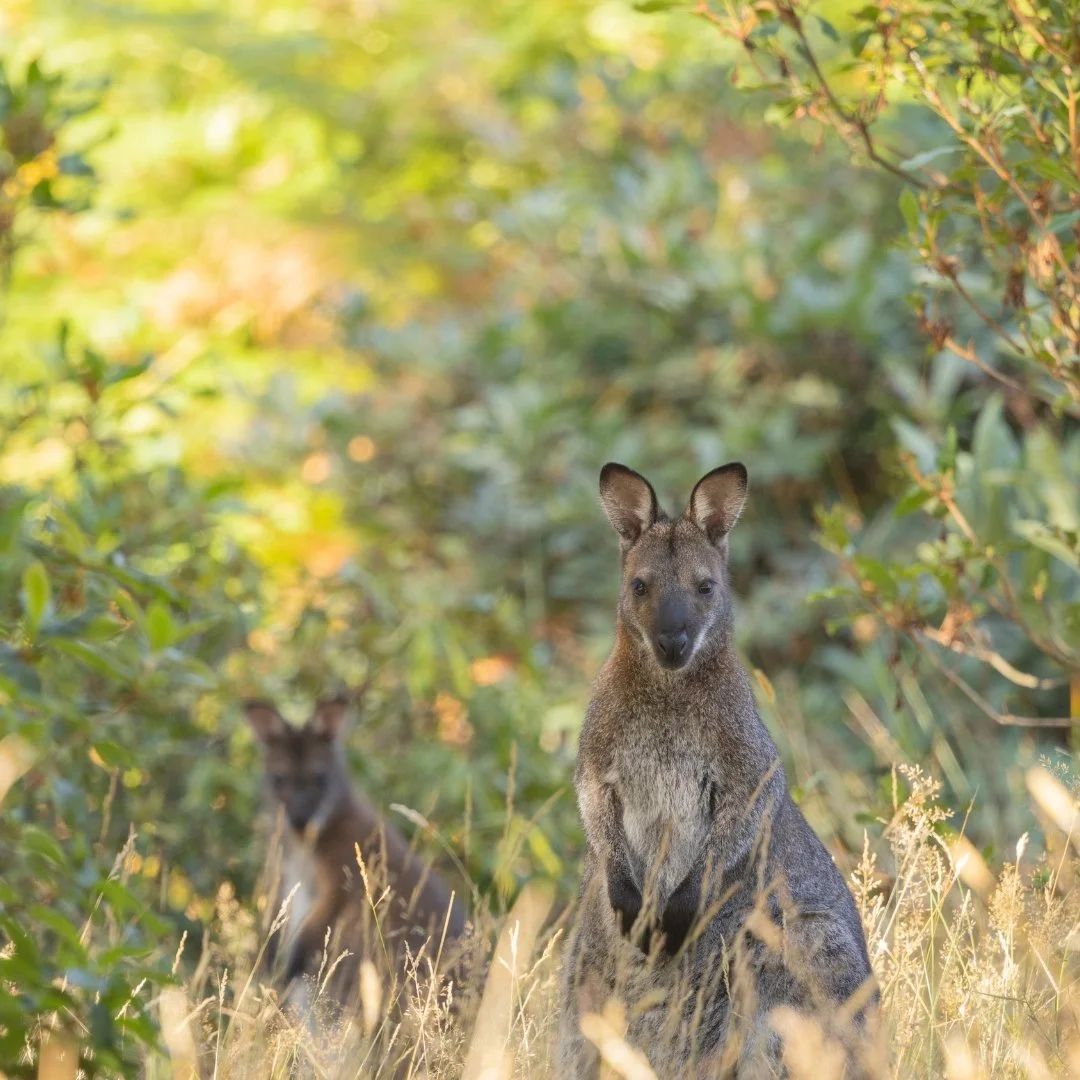
September is a very busy time for the garden team here at Leonardslee as we start to switch from presentation tasks like weeding and edging to bigger restoration work including hedge cutting, pruning and dead woooding. Planting is another great job that ramps up again from September. Whereas much of the summer was too hot and dry to be placing tender, young plants in the ground, as the autumnal weather starts to take over, now is a great time to plan any replanting jobs. The soil will still be warm in September and October (and even November in a mild year), which will aid root establishment but it will also hopefully be moist from any late summer and early autumn showers. This means that the plants will be less likely to suffer from drought stress. New plants will have a couple of months to get their roots down and tap into the soil nutrients before winter hits and growth stops. Now is therefore a great time for you to think about new plan ting projects at home so why not give it a go? Here at Leonardslee we’ll be planting a range of trees and shrubs this autumn that have been looked after in our polytunnels and standing out areas for a number of months, and in some cases years. Areas such the Orchard, Daffodil Lawn, Eucalyptus Lawn, Wallaby Enclosure, carpark and lakeside banks will all have new additions to look forward to.
See You in the Garden
Plenty to be getting on with then and plenty to see and do here as we head into September at Leonardslee. Don’t forget there are bookable garden tours on September 7th, 16th, 21st and 28th this month and if you want to keep abreast of all of the horticultural happenings in the garden, please check out our Instagram feed at @growingleonardslee. We look forward to seeing you here in the garden again soon…
Jamie Harris, Head Gardener