
Garden News | November 2026
Remember, remember, the garden looks great in November!
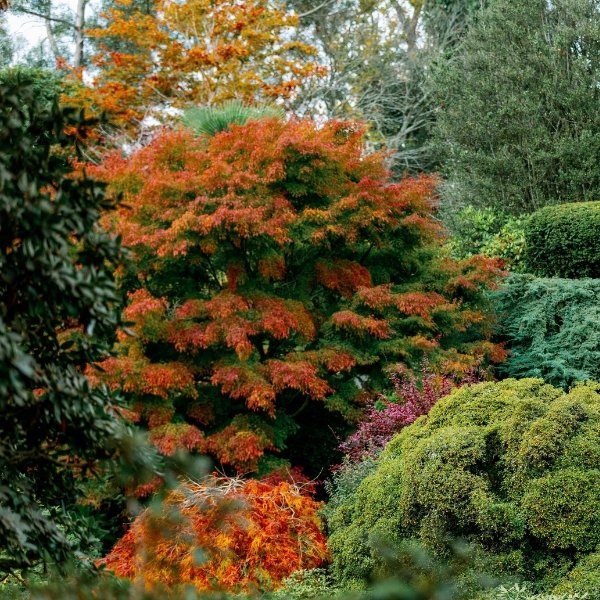
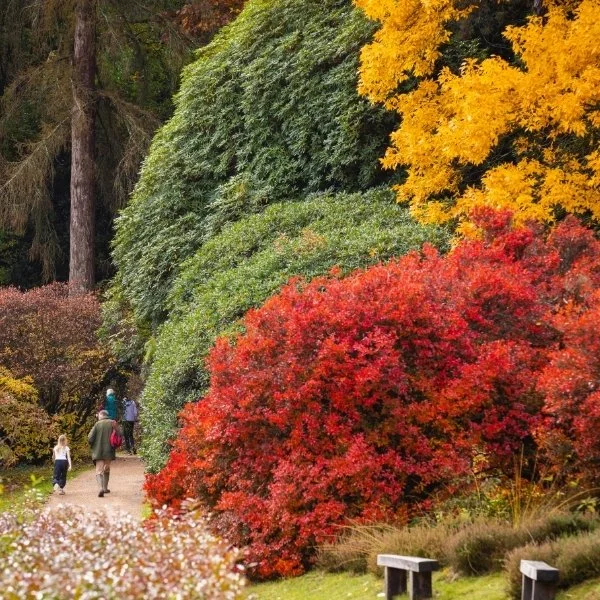
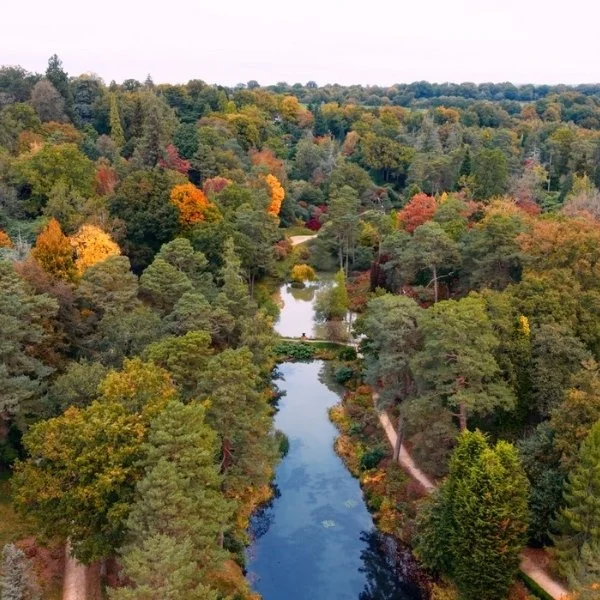
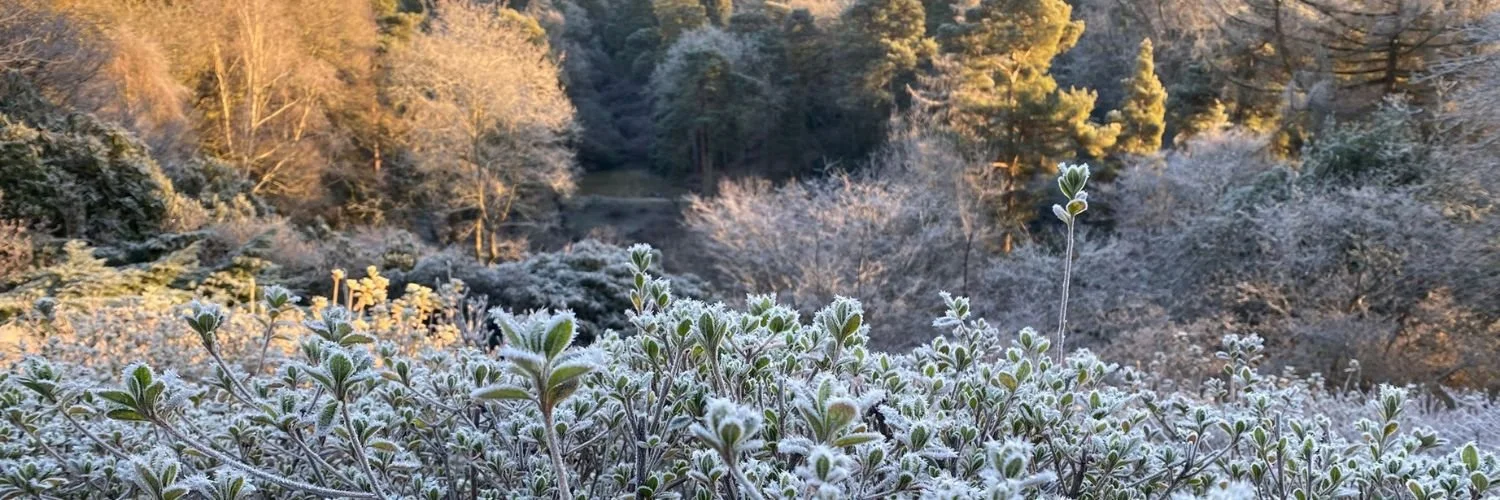
There are so many things that I love about the garden here at Leonardslee at this time of year, particularly this year as we enjoy a welcome recovery after the intense heat of the summer months. The light in the early mornings and late afternoons is a joy and even the autumnal smell in the air as the fungi grow and the natural annual decay of leaves and fallen plant material catches on the wind is a highlight for me. And I don’t think I’ll ever get bored of the yearly display of fantastic autumn colour that will continue this month, whether it be foliage, bark or berry.

A Firework Display of Autumn Colour
November may be synonymous with Bonfire Night but it’s the fireworks of the horticultural kind that excite me! As well as the obvious highlights of Acer Walk with its many Maple trees in full show, there are plenty of other plants I would recommend seeking out at Leonardslee this month when you get a chance. There are a number of Nyssa sylvatica (or Black Tupelo tree) specimens that turn a range of yellows and oranges at this time of the year for example. Native to North America where they have specimens up to 700 years old, the best examples here can be found behind the Rock Garden and on Bluebell bank for example. The stunning orange-hued Parrotia persica (Persian Ironwood tree) are also a huge highlight right now, both on the banks of Waterfall Pond and on Daffodil Lawn. Another favourite of mine are the several groups of Liquidambar styraciflua (Sweet Gum Tree). The sap of these trees is still used in chewing gum production and you can seek them out around and within the Rock Garden and also below Acer Walk.

Winter-Flowering Camellias
The winter-flowering Camellia sasanqua shrubs near the Doll’s House Museum are also a must see this month. Plenty of people don’t expect to see Camellias blooming until the Spring but this collection here at Leonardslee has been happily flowering away in Autumn and Winter for over 100 years. There are even two specimens in this area that are thought to be unique to Leonardslee – ‘Sasanqua Rubra’ and ‘Kogyoku’, that we are actively propagating to protect and preserve them. We will have the International Camellia Society due to visit us next year to assess for an Historic Camellia ward and also for inclusion as a Camellia Garden of Excellence and these sasanqua shrubs will go a long way to supporting our case for both.
The Scents of Winter
There’s another garden highlight at this time of year that you must experience too and that is the start of the winter scented shrubs display. Plants that flower in autumn and winter have to work extra hard to attract the fewer number of pollinating insects and therefore their scent is often stronger and more enticing than most of the spring or summer plants. We have plenty of Mahonia (Oregon Grape) and Sarcococca (Christmas Box) shrubs that fit the bill for example but the scented star of the show at this time of the year is a group of large Osmanthus shrubs below the Mansion, just as you head down the steps to the Bluebell Bank path. Commonly known as Sweet Olive, they may look like a lush green holly-like plant during most of the year, but right now they will be smothered in delicate white highly scented flowers. You’ll almost smell them before you see them!
Celebrating Our Garden Awards
Talking of blooms, we recently found out the results of this year’s South & South East in Bloom awards that we entered back in June. I’m very pleased to announce that we achieved a Gold Award in the Heritage Garden category again, with a total score that was 3 points higher than even last year. We also were awarded Gold and Best In Category for the Environmental Challenge Award which were very excited to receive as it celebrated all of the sustainability and ecological achievements that we have made over the years. The pressure is now on to do at least as well next year!
Plant Now for Spring Colour
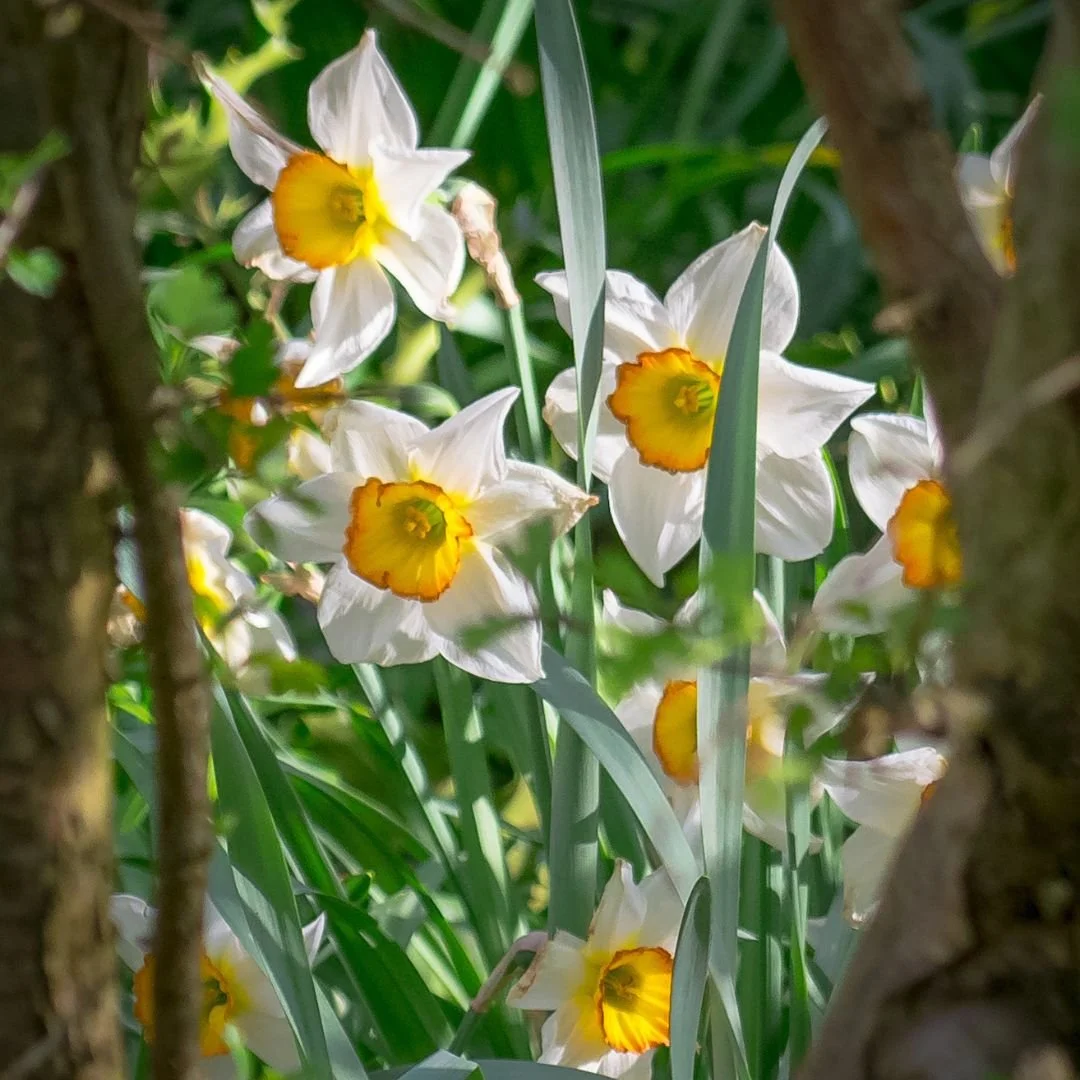
For the garden team it’s important that we make the most of any mild, moist weather while we can. As well as taking time to enjoy the amazing Autumnal explosion of colour and form, there’s much work to be done in the garden itself. Now is a perfect time for you at home to be planting Spring bulbs and here in the Grade I listed Leonardslee gardens we’re no different. Bulbs provide some of the earliest and most interesting floral displays in spring, and planting them now gives them enough time to establish and get ready to come out of dormancy once winter is over. A good general rule of thumb to remember is to plant a bulb at a depth of three times its height. For example, a daffodil bulb 5cm tall should be planted 15cm deep in the soil if possible. It’s also important to choose your site carefully. Alliums for instance like a sunny, sheltered spot in well-drained soil while some bulbs from a woodland environment such as snowdrops and bluebells can tolerate and thrive in a shadier spot in humus-rich soil. Here at Leonardslee we’ll be busy adding more bulbs to the Rock Garden including gems like Erythronium ‘Lilac Wonder’ and Crocus ‘Orange Monarch’ for instance. Elsewhere we’ll be filling the beds and borders near the Café, behind the Rock Garden and near the Play Park with a vast range of interesting and unusual displays as well as adding to our naturalised displays of Snowdrop, Bluebell and Crocus across the garden.


Give Your Garden a Mulch
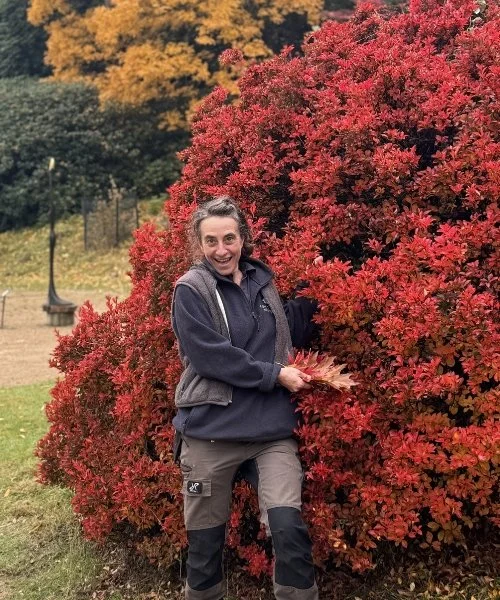
I often get asked by friends or visitors about a particular plant they have that is underperforming, perhaps not flowering or fruiting or maybe just looking a little sick. Now while there might be a whole number of reasons for this, whether it be a pest or disease, a wrongly chosen planting spot or just inclement conditions, my first response is usually to recommend the application of a good mulch. By ‘mulch’ I mean an organic well-rotted material such as compost, manure or other similar material. Mulching can often be a miracle fix for a whole range of problems. Applied at the right time of year (autumn is good as the ground should be moist and warm) and to the right depth (2 inches is the minimum) mulching has many benefits. A mulch layer suppresses weed growth which might out-compete the plant for water and nutrients. It will help to retain moisture in the soil, particularly if done after rainfall. It will also improve soil structure by encouraging worm activity which in turn improves drainage, and access to soil nutrients. Mulching helps to keep plant roots cool in summer and warm in winter and helps to prevent soil compaction and erosion and as an added bonus, it also provides an attractive look to any bed or border. If you only do one job in your garden this month, give it a good mulch!
Garden Tours
Other November jobs for the garden team here at Leonardslee include cutting back spent herbaceous perennials and putting various borders ‘to bed’ for the winter, protecting any delicate plants from the colder weather, deep-cleaning our polytunnels and of course setting up and preparing for the forthcoming Lights event! Plenty for us to do and plenty for our visitors to enjoy. I would also like to point you towards the tours that are on offer this month.
We have the last Fungi Walk of the year on November 3rd at 11am and our general garden tours also continue on each Monday and middle Wednesday of the month so why not book onto one of those too? I hope to see you all here again soon…
Jamie Harris, Head Gardener
